
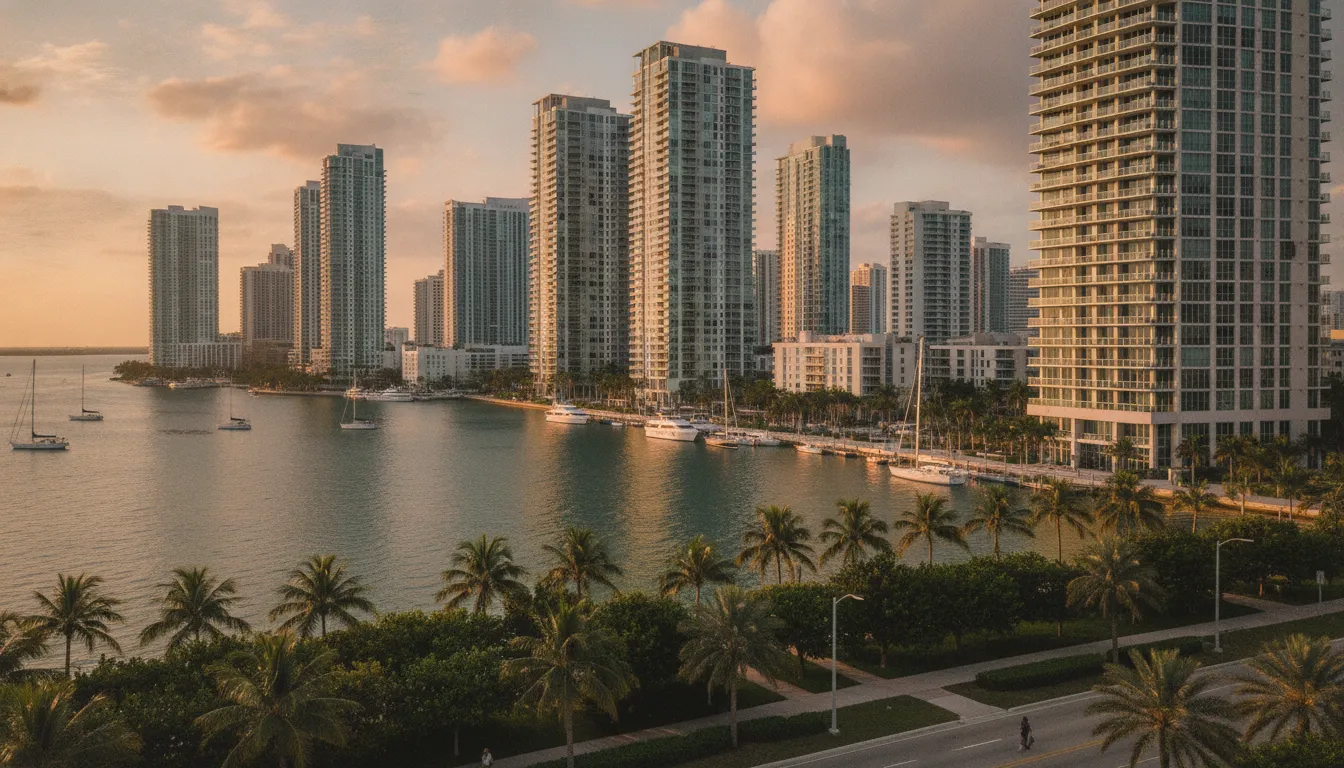
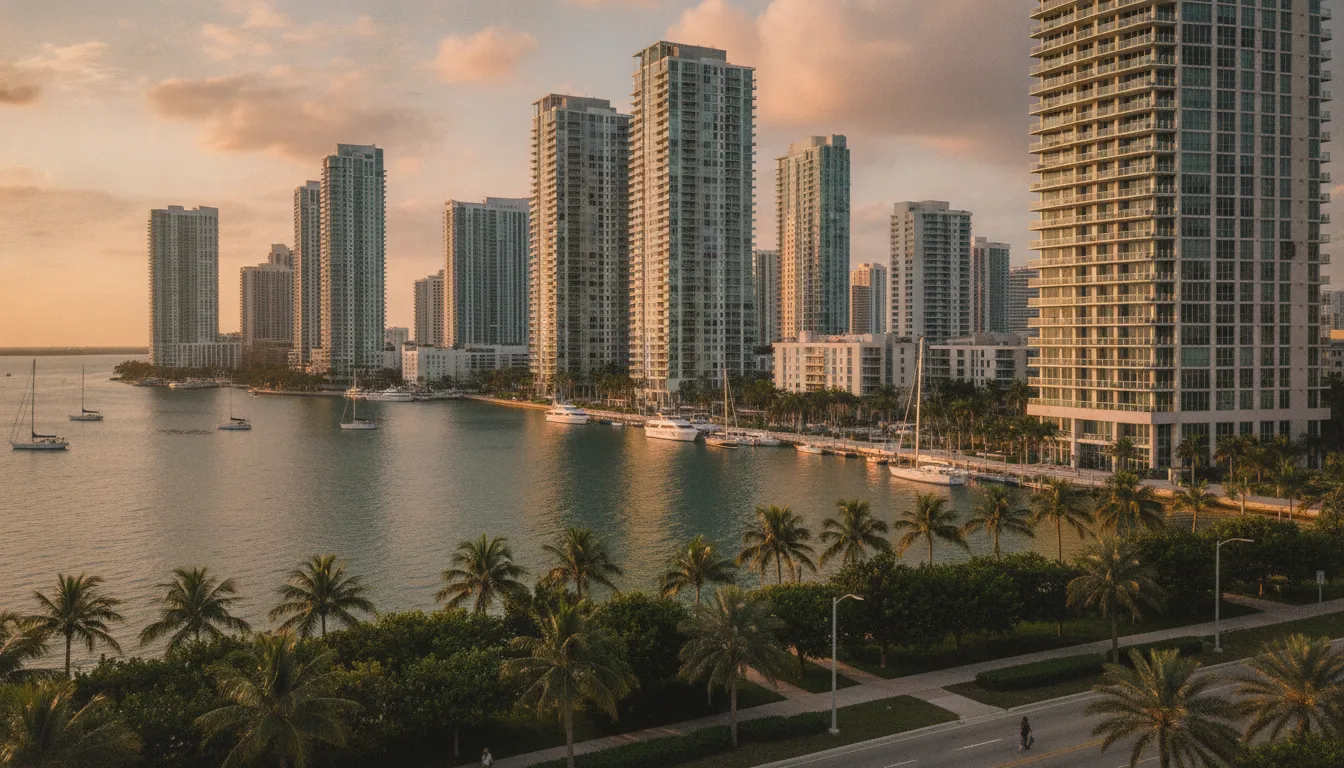
Brickell Miami: A Practical Buyer Guide.
Choosing a Miami home is not only a question of square footage or a compelling view. For buyers and relocators, the better decision starts with how a neighborhood supports daily life, work patterns, parking needs, amenities, and the realities of condominium ownership.
Schedule a consultation with The Maya Vander Group to discuss your Brickell search.
Brickell Miami is a dense urban neighborhood in Miami-Dade County, east of Interstate 95 and south of the Central Business District, with a strong concentration of high-rise condominiums and apartments. It can suit finance and technology professionals, international buyers, and households seeking an amenity-rich city lifestyle, provided the building's finances, rules, insurance, and practical fit receive careful review.
The right search therefore moves beyond a neighborhood label. It connects your preferred pace of life with the type of residence, building profile, commute, and ownership responsibilities you are prepared to manage. Start by understanding what Brickell is geographically and who tends to thrive in its residential setting, then evaluate each property on its own terms.
What Is Brickell Miami, and Who Is It For?
Brickell Miami is a dense, waterfront neighborhood in Miami-Dade County, east of Interstate 95 and south of the Central Business District and Miami River. Its concentration of condominium and apartment towers, offices, restaurants, and mixed-use destinations suits buyers who want an urban home base with convenient access to work and city amenities.
Geographically, Brickell stretches from the Miami River south toward SW 26th Road, with Biscayne Bay along its eastern edge. Brickell Avenue is the principal north-south thoroughfare, but the neighborhood is best understood as a collection of building environments rather than one uniform residential experience. Northern areas combine financial and residential buildings, while areas farther south are more predominantly residential. Review the neighborhood's geographic boundaries before comparing specific buildings.
The neighborhood may suit finance and technology professionals, international purchasers, and relocators. These buyers often value proximity to the financial district, condominium services, amenities, and an active city setting. Brickell can also suit households that prioritize a home office and an accessible daily routine. Confirm that the selected building meets your needs for parking, privacy, space, and operations.
Brickell is not automatically the right choice for every buyer. A high-rise lifestyle brings different considerations than a single-family home or a quieter, lower-density neighborhood. Buyers should evaluate noise, traffic patterns, outdoor space, school priorities, parking arrangements, insurance and maintenance costs, and the building's rental and financing rules alongside the residence itself. For a more specific point of comparison, explore the St. Regis residences in Brickell as one example of how building-level decisions shape the search.
How Does Brickell Fit Your Miami Lifestyle?
Brickell often suits buyers who want an urban condominium setting with daily convenience close to Miami's financial district. Finance and technology professionals may value a shorter, simpler connection to work, while relocators can appreciate having dining, services, building amenities, and social options concentrated near home. The right question is not whether Brickell is desirable. It is whether its pace, density, and condominium lifestyle match the way your household intends to live.
For an international buyer, a full-service residence can offer a practical base in Miami. Privacy, property management, and a well-supported ownership experience may matter more than a broad amenity list. Building amenities can support a weekday residence or extended stays. They can also support a property considered for future rental use. Review rental rules, association policies, and financing requirements before treating any building as a fit.
Think beyond the address
Home-office needs deserve an early conversation. A visually impressive residence may not provide the quiet, layout, storage, or reliable work zone that a hybrid professional requires. Parking is another practical filter. Buyers who drive regularly should confirm that the building offers convenient parking. An urban address does not eliminate the need for a car.
Affluent households should weigh amenities and convenience against space, privacy, and household routines. Some may prefer Brickell's vertical, connected environment. Others may find that a quieter Miami neighborhood, a larger home, or a different balance of outdoor space and commute access better serves their priorities. Families should evaluate those needs independently instead of treating a neighborhood label as a universal recommendation.
For a broader framework covering the move itself, see this relocating to Miami guide. Then compare the daily experience you want with the building-level details that make it possible.
Which Property Types Are Common in Brickell?
Brickell's residential landscape is defined by vertical living. Buyers will encounter high-rise condominiums, rental apartments, mixed-use towers, branded residences, resale homes, and projects that are still in development. Each format creates a different ownership experience, so the right comparison is not simply about appearance. Consider how you plan to use the home, how much building-level oversight you want, and which tradeoffs fit your daily life.
Condos, apartments, and mixed-use towers
A conventional high-rise condominium may suit a buyer who values shared amenities, a managed building, and a central urban setting. A resale can make the evaluation more concrete. You may be able to review the unit, understand its condition, and study the building's records before deciding. Rental apartments offer a different arrangement, with occupancy governed by a lease rather than ownership.
Mixed-use towers combine residences with retail, hospitality, office, or other uses. That can create convenience, but it also makes the building's layout, entrances, services, noise patterns, and parking arrangements especially important to investigate. A page for 2200 Brickell condominium residences can help buyers see how a specific development is presented without treating the page as a statement of current availability.
Branded residences and development-stage purchases
Branded residences appeal to buyers who want a design-led identity or a service model associated with a recognized hospitality or lifestyle brand. The brand name alone should not replace a review of the declaration, association structure, services, operating costs, rental rules, and responsibilities of ownership. For a specific example, explore 888 Brickell branded residences and St. Regis residences in Brickell.
Development-stage purchases require a different timeline and diligence process from a resale. Plans, specifications, completion expectations, contract terms, and final operating details may evolve before delivery. Buyers considering One Brickell pre-construction condos should have their attorney, lender, insurer, and other appropriate professionals review the documents and assumptions that shape the purchase. Across every property type, compare the building as carefully as the residence itself.
What Should Buyers Review Before Choosing a Brickell Building?
A polished lobby and appealing amenities are only the beginning of a sound condominium decision. Before choosing a building, request the association records and review the financial and physical condition of the property as a whole, not only the finishes inside one unit.
Start with the association and the structure
Ask for budgets, financial statements, meeting minutes, current assessments, reserve information, and any available reserve study. Review whether reserves appear appropriate for the building's age and systems, and look for discussions of deferred maintenance, major repairs, or upcoming work. Structural-integrity assessments and other applicable safety records should also be considered where relevant. The goal is to understand the building's obligations and funding plan before you commit.
For general planning context, the City of Miami comprehensive planning document describes a future land-use map as a tool to guide future development and the distribution of land uses. That broad planning context is not a determination of a specific building's approvals, construction, or future outlook. Verify project-specific information independently.
Confirm financing, insurance, and operating costs
Ask your lender whether the building is eligible for the financing you intend to use and whether the association's records create additional underwriting questions. Warrantable status and financing eligibility can affect the practical buyer pool and the timing of a purchase. An insurance professional should review the association's coverage, deductibles, exclusions, and any unit-owner responsibilities. Also compare association fees, insurance-related charges, maintenance obligations, and the possibility of assessments against your broader ownership budget.
Test the rules against your plans
Read the declaration, bylaws, and house rules for rental restrictions, minimum lease periods, approval procedures, pet policies, renovation requirements, and use of amenities. Confirm what parking is assigned, deeded, leased, or subject to a separate arrangement. Parking matters particularly for households balancing an urban commute with regular driving, guests, or more than one vehicle.
A focused review can make a major difference. Our Miami luxury condo due diligence guide provides a related framework for organizing these questions. This is not legal, lending, insurance, engineering, or inspection advice. Have the appropriate attorney, lender, insurance professional, engineer, and inspector review specialist matters before you proceed.
Is Brickell Walkable, and How Do Residents Get Around?
Brickell supports an urban, relatively pedestrian-oriented lifestyle when daily needs are nearby. That does not mean every trip is best made on foot. Block length, heat, rain, traffic, and the exact location of a residence all matter. Evaluate the routes you expect to use instead of relying on a neighborhood-wide label.
Transit adds meaningful flexibility. Brickell is served by the Miami Metrorail at the Brickell station and by five Metromover stations on the Brickell Loop. These connections can be useful for reaching nearby parts of Miami without making every local trip by car. Confirm current service details and station access as part of your own routine planning.
Parking remains an important building-level question. A buyer who expects to keep a car should confirm whether parking is assigned, leased, valet-operated, or otherwise subject to building rules. Review the practical cost and convenience alongside insurance, maintenance, rental restrictions, and financing considerations. For some households, a car is central to work, school, or regional travel. For others, a walkable daily pattern and transit access may reduce how often the car is needed.
Brickell also has regional water access. The official Miami Beach water-taxi information describes a route between Miami Beach and Downtown Miami and lists boarding locations including Maurice Gibb Memorial Park and Venetian Marina & Yacht Club. Treat this as an available connectivity option, not a guaranteed commute time. The right residence depends on how your household balances walkability, parking, transit, and the trips that matter most.
How Can Buyers Compare Brickell Residences?
There is no single best way to buy a home in Brickell. The right choice depends on how much certainty, customization, building amenity access, and timing you want. A careful comparison should look beyond finishes and views. Consider the building's financial condition, financing eligibility, rental rules, insurance and maintenance obligations, parking, and how the home supports your daily routine.
| Purchase type | Likely fit | Questions to ask | Tradeoffs |
|---|---|---|---|
| Resale condo | Buyers who want to evaluate an existing home and established building. | What do the association records, reserves, insurance, rental rules, and inspection reveal? | More visible operating history, but the condition and policies are inherited. |
| Branded residence | Buyers who value a defined service and amenity concept. | Which services are included, how are they managed, and what rules govern use and leasing? | A distinctive experience may come with more detailed operating rules. |
| Mixed-use or high-rise | Professionals and relocators seeking urban convenience, amenities, and proximity to work. | How do residential, retail, hospitality, and parking operations affect access and building finances? | Convenience can mean more activity, shared infrastructure, and operational complexity. |
| Development-stage purchase | Buyers comfortable planning ahead and evaluating a future building concept. | What is documented about timing, specifications, approvals, financing, fees, and delivery obligations? | Less operating history is available, so contract and project review matter more. |
Use this framework to narrow the field, then have lending, insurance, inspection, engineering, and legal professionals review the matters within their expertise. Building-level diligence is what turns an appealing Brickell address into an informed purchase decision.
What Questions Should You Ask Before Buying in Brickell?
A confident purchase begins with questions that connect the unit to the building, the association, and your intended use. Ask your agent:
- How does this residence compare with other Brickell options for my commute, home-office needs, parking requirements, amenities, and preferred lifestyle?
- What should I know about the building's age, maintenance history, current projects, rental rules, and likely fit for my plans?
Ask the association or management company:
- Can I review the association's governing documents, budgets, meeting minutes, reserve information, insurance details, and recent structural or safety assessments?
- Are there pending assessments, material maintenance obligations, restrictions on leasing, pets, renovations, or parking, and how are those requirements documented?
Ask your lender whether the building is eligible for your intended financing and whether its financial profile, insurance, reserves, or warrantable status could affect approval. Ask an insurance professional what coverage is available for the unit and how building-level policies, deductibles, and maintenance responsibilities affect your cost.
An independent inspector should identify unit-level conditions and recommend any specialist review. Your attorney can explain the contract, association documents, title, land-use or development questions, and other legal issues. These professionals should provide advice within their fields; a buyer consultation is not a substitute for legal, lending, insurance, engineering, or inspection guidance.
Schedule a consultation with The Maya Vander Group to discuss your Brickell search.
Frequently Asked Questions
Is Brickell a nice part of Miami?
Brickell can be an excellent fit for buyers who value an urban condominium lifestyle. It also offers convenient access to finance and technology workplaces, dining, services, and amenities. It is less suited to households seeking a quieter, lower-density setting. The right choice depends on your commute, parking needs, home-office requirements, and preferred building environment.
Is Brickell Miami a good place to live?
For many professionals, relocators, and international buyers, Brickell offers a practical combination of high-rise living, building amenities, and proximity to work. Families should also consider space, school priorities, outdoor needs, and daily routines before deciding. Compare the neighborhood with other Miami areas rather than assuming that a popular location will suit every household.
Is Brickell Miami walkable?
Brickell supports a walkable urban lifestyle, but the experience varies by building, destination, weather, and personal routine. The neighborhood is also served by the Miami Metrorail Brickell station and five Metromover stations on the Brickell Loop, according to the neighborhood overview source. Buyers should still evaluate parking, car use, and the exact distance to work and essential services.
What types of apartments are available in Brickell Miami?
Buyers may encounter high-rise condominiums, apartments, mixed-use towers, branded residences, and development-stage projects. Each category has different questions around association records, reserves, insurance, financing eligibility, rental rules, maintenance costs, and completion risk. Review the specific building and purchase structure with appropriate real estate, lending, insurance, inspection, and legal professionals.
What is Brickell Miami famous for?
Brickell is widely associated with Miami's financial district and its transformation into a dense residential and mixed-use neighborhood. Its appeal comes from the combination of high-rise residences, work proximity, dining, cultural destinations, and transit access. Buyers should treat that reputation as a starting point, then assess the building and lifestyle details that matter to them.
Ready to Take the Next Step in Your Brickell Miami Search?
A thoughtful property search can connect your priorities with the right residence, building, and ownership considerations. The Maya Vander Group can help you evaluate Brickell options with a clear view of lifestyle fit and due diligence questions.
Schedule a consultation with The Maya Vander Group to discuss your Brickell Miami property search.
Ready to Explore Luxury Real Estate in Miami?
Don't miss opportunities in one of Florida's most desirable markets. Contact Maya Vander today for exclusive access and personalized service.


