


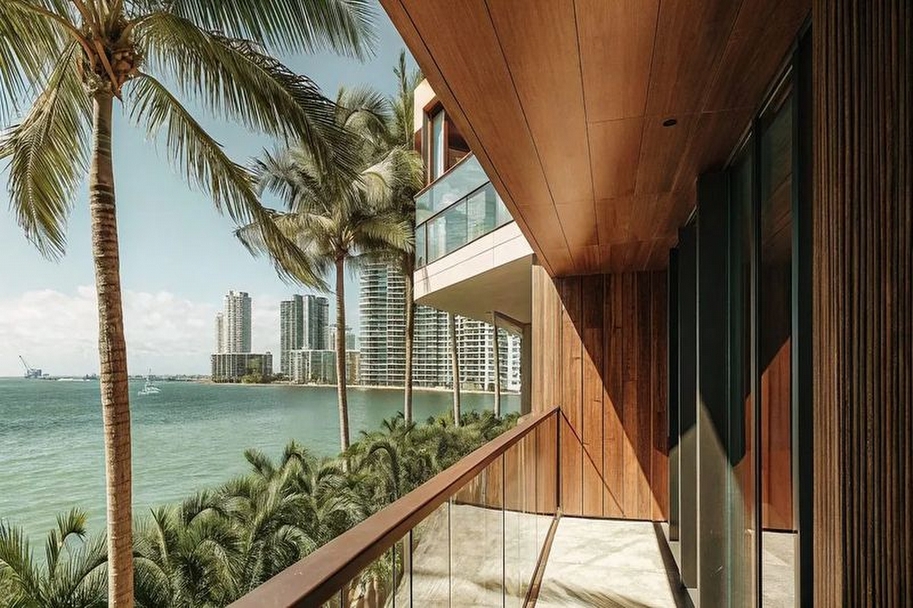





The Smart Buyer's Guide to Houses for Sale
In a city as vibrant as Miami, the most sought-after properties are often sold before they ever hit the public market. Relying solely on mainstream websites means you’re only seeing a fraction of what’s truly available. While these platforms list thousands of houses for sale, they miss the exclusive, off-market opportunities that define the luxury landscape. Gaining access to this hidden inventory requires an inside connection and a deep understanding of the local network. This guide is your first step toward that advantage. We’ll explore the strategies that seasoned buyers use to uncover exceptional properties and give you the knowledge to look beyond the obvious listings to find a home that is truly extraordinary.
Key Takeaways
* Build Your Strategy First: Before you start looking at homes, get your finances in order. Securing a mortgage pre-approval and creating a clear budget gives you the power to act decisively and make a confident offer when you find the right property.
- Analyze Properties Like an Investor: A home's true cost goes beyond its listing price. Factor in all expenses, including taxes, HOA fees, and potential maintenance, and always get a professional inspection to protect your long-term investment.
- Gain an Insider's Advantage: A specialized luxury agent is your key to the Miami market. They provide access to exclusive off-market properties, offer expert negotiation skills, and manage the complex details to ensure a smooth and successful purchase.
What to Look for in Your Next Home
Finding the right home is about balancing your heart's desires with practical, long-term considerations. It’s easy to get swept up in beautiful photos and stunning architecture, especially in a market like Miami. But the smartest buyers know to look beyond the surface. Creating a clear checklist of what you need before you start your search will help you focus on properties that truly fit your life. This process ensures you’re not just finding a house, but a home that will be a source of joy and a sound investment for years to come. Let's walk through the key areas to consider.
The Right Location and Neighborhood
You’ve heard it a thousand times: "location, location, location." It’s a classic for a reason. The right neighborhood shapes your daily life, from your morning coffee run to your weekend plans. Think about what matters most to you. Is it being a short walk from the beach, having access to top-rated schools, or living in a quiet, private enclave? Consider your commute, proximity to your favorite restaurants and shops, and the overall vibe of the area. Exploring different Miami communities is the best way to find a place that feels like home. A great location not only enhances your lifestyle but is also one of the most significant factors in your home's future value.
Size, Layout, and Condition
A home’s physical characteristics determine how well it functions for you. Start by separating your "needs" from your "wants." Needs are your non-negotiables, like the number of bedrooms or a dedicated home office. Wants are the lovely extras, like a chef’s kitchen or an infinity pool. Pay close attention to the layout. Does the floor plan flow in a way that suits your daily routine? An open-concept space is great for entertaining, while distinct rooms can offer more privacy. Also, honestly assess the home's condition. A few cosmetic updates are simple, but foundational issues or a full-scale renovation require a much larger investment of time and money. You can search for properties with your specific needs in mind.
Price and Long-Term Value
The price tag is just one piece of the financial puzzle. A home is one of the most significant investments you’ll make, so it’s important to think about its long-term potential. Is the property priced fairly for the current market? A skilled agent can help you analyze comparable properties, or "comps," to make an informed decision. Beyond the initial price, consider factors that contribute to appreciation over time. Things like a desirable location, quality construction, and unique features all play a role in a home's ability to grow in value. Viewing your purchase through the lens of an investor helps ensure you’re making a financially sound choice.
Uncovering Hidden Costs
A savvy buyer knows that the true cost of a home extends far beyond the mortgage payment. To protect your finances, you need to account for all the associated expenses. These include property taxes, homeowner's insurance, and potential Homeowners Association (HOA) fees, which are common in Miami's luxury condos and gated communities. You should also budget for ongoing maintenance and potential repairs. A thorough home inspection is essential for uncovering issues that could become expensive problems down the road. Understanding these hidden costs of homeownership from the start allows you to create a realistic budget and avoid any unwelcome financial surprises after you close.
How to Find Homes for Sale Online
Starting your home search online is a great way to explore what’s available and clarify what you want in a property. The key is to use these digital tools effectively, knowing where to look and how to filter through the noise to find the true gems, especially in a competitive market like Miami. Think of your online search as the first step in a larger journey, one where you gather inspiration and information before taking more decisive action. By combining the broad reach of online platforms with focused, expert knowledge, you can turn a sea of listings into a curated list of potential dream homes.
The Best Online Listing Platforms
Your search will likely begin on popular real estate websites. While these platforms are excellent for getting a general feel for the market, they don't always tell the whole story, particularly for high-end properties. Many of Miami's most sought-after homes are sold privately or marketed discreetly to a select group of buyers. That's why it's also important to browse an agent's exclusive listings, which offer a curated selection of properties you might not find on larger, more generalized sites. These exclusive collections often represent some of the finest homes available, handpicked for their quality and value.
Tips for Refining Your Search
To make your online search more productive, use the available tools to your advantage. Go beyond just setting a price range and location. Use filters to narrow your results by specific features that matter to you, like "waterfront," "pool," or "new construction." Pay close attention to the photos and virtual tours, but also read the property descriptions carefully for details the images might miss. Set up alerts for new listings that match your criteria so you can act quickly. A targeted approach on a comprehensive property search tool will save you time and help you focus on homes that truly meet your needs.
Finding Miami's Luxury Listings
The definition of luxury is always evolving. Today, high-end buyers in Miami are looking for more than just square footage; they want homes that enhance their lifestyle. This includes wellness amenities like home gyms and meditation spaces, sustainable features like solar panels, and the convenience of a move-in-ready property. The most exceptional opportunities, especially in pre-construction, are often not advertised on public websites. Gaining access to these properties requires an inside connection. Exploring an agent's portfolio of new developments is the best way to discover these exclusive, off-market opportunities and find a home that truly reflects modern luxury.
How to Compare Homes and Prices
Once you have found a few properties that catch your eye, the real analysis begins. Comparing homes effectively is about looking beyond the listing photos and price tag to understand the true value of each option. It’s a process of weighing features, location, and market data to make a confident and informed decision. This step is less about finding a perfect home and more about finding the right home for you. By breaking down the comparison into manageable pieces, you can move forward with clarity and confidence, knowing you have examined your choices from every important angle.
Create a Side-by-Side Comparison
The best way to organize your thoughts is to see everything in one place. Start a simple spreadsheet or even a notebook to track the properties you are serious about. For each home, list the key details: asking price, square footage, number of bedrooms and bathrooms, property taxes, and any HOA fees. Then, add your own notes on the things that matter most to you, like the quality of the kitchen, the amount of natural light, or the backyard space. This simple act of creating a side-by-side comparison helps you move from a purely emotional reaction to a more logical evaluation, ensuring you don’t forget a key detail from one tour to the next.
What Is Price Per Square Foot?
Price per square foot is a standard metric in real estate for a reason: it helps you make an apples-to-apples comparison between homes of different sizes. To calculate it, you simply divide the home’s price by its total square footage. This number gives you a baseline for evaluating value within a specific neighborhood. For example, if most homes in a Miami community are selling for around $1,500 per square foot, a property listed significantly higher or lower warrants a closer look. Of course, this metric doesn’t tell the whole story. Factors like high-end finishes, premium amenities, and breathtaking views can justify a higher price per square foot, especially in the luxury market.
How to Spot Overpriced vs. Undervalued Homes
Determining if a home is priced correctly is one of the most valuable skills in real estate. A key strategy is to analyze "comps," or comparable properties that have recently sold in the same area. If a home is priced significantly higher than similar homes that have sold in the last few months, it may be overpriced. These homes often sit on the market longer. Conversely, a home priced below the market may be a great find, but it will likely attract more competition. Understanding these nuances requires a deep knowledge of local market activity. A skilled negotiator can help you interpret this data to identify true value and avoid overpaying.
Use Market Trends to Your Advantage
The real estate market is always in motion, and understanding its rhythm can give you a strategic advantage. Factors like inventory levels, average days on market, and the direction of prices all signal whether you are in a buyer's or seller's market. In a seller's market with low inventory, you may need to act quickly and make a strong offer. In a buyer's market, you might have more room for negotiation. Keeping an eye on housing market trends helps you set realistic expectations and time your purchase effectively. In a fast-paced city like Miami, these trends can shift quickly, making up-to-the-minute insight essential for making a smart investment.
What to Know About the Current Market
Understanding the current real estate landscape is the first step toward making a smart investment. The Miami market is dynamic, influenced by everything from local inventory levels to global economic trends. Knowing what to expect gives you a significant advantage, whether you're buying your first luxury condo or adding another property to your portfolio. It allows you to set realistic expectations, prepare your finances accordingly, and move with confidence when you find the right home. With a clear picture of the market, you can work with your agent to build a strategy that aligns with your goals and puts you in the strongest possible position to succeed.
What Low Inventory Means for You
When you hear that inventory is low, it means there are fewer homes for sale than there are buyers looking for them. This creates a competitive environment where desirable properties often receive multiple offers. In a tight market, prices can rise, and the pace of sales quickens. You may find that you have less time to deliberate on a home before another buyer makes a move. This is why it’s so important to have your financing in order and a clear idea of your must-haves. Being prepared allows you to act decisively when you find a property that checks all your boxes.
Planning for Affordability
Affordability is a key factor for every buyer, and it’s about more than just the listing price. It’s essential to understand the full financial picture of homeownership, including property taxes, insurance, HOA fees, and potential maintenance costs. Understanding these challenges and how to overcome them is essential. For luxury properties, this might also include costs for specialized insurance or staff. Planning for these expenses from the start ensures you can comfortably enjoy your new home without financial strain. A great first step is to explore available properties to get a feel for what your budget can afford in different areas.
The Forces Driving Miami's Market
Miami's real estate market is fueled by a unique combination of local and international demand. The city's appeal as a global business hub, a cultural hotspot, and a beautiful place to live continues to attract new residents from across the country and the world. This steady influx of buyers keeps demand high, especially for luxury homes in prime locations. While the average down payment for first-time buyers is 6-7%, luxury and jumbo loans often have different requirements. Understanding these specific financial expectations is crucial for competing in Miami's fast-paced market and securing the property you want.
A Look at Miami's Luxury Prices by Neighborhood
In Miami, a home's price is shaped by more than just its size and location. Today's luxury buyers are prioritizing move-in-ready homes with wellness-oriented amenities like home gyms, spas, and pools. Features like solar panels and green roofs are also becoming increasingly desirable. These preferences directly influence property values in sought-after communities from Miami Beach to Coral Gables. A beautifully renovated home with modern, high-end finishes and smart technology will command a higher price than a similar-sized property that needs work. When comparing homes, it's important to consider the value these turnkey features add to your lifestyle and the property's long-term worth.
Your Home Financing Options
Understanding your financing is one of the most important steps in your home-buying journey. The right mortgage helps you secure your dream home and sets you up for long-term financial success. Whether you’re a first-time buyer or purchasing a luxury waterfront estate, it’s smart to know your options before you start your search. Let’s walk through the key concepts so you can feel confident when speaking with lenders and making an offer.
Conventional vs. Jumbo Mortgages
The main difference between a conventional and a jumbo mortgage comes down to the loan amount. Conventional loans are the most common type of mortgage, but they must fall within the conforming loan limits set by the Federal Housing Finance Agency (FHFA). When a Miami property’s price tag exceeds these limits, you’ll need a jumbo loan. Because these loans carry more risk for lenders, they often come with stricter qualification requirements, such as a higher credit score and larger cash reserves. In a luxury market like Miami, where many properties require this type of financing, being prepared for these higher standards is key.
Exploring First-Time Buyer Programs
If you’re a first-time homebuyer, you might have more options than you think. Don’t let common misconceptions about down payments or credit scores hold you back. There are several programs designed to make homeownership more accessible. For example, government-backed FHA loans often have more flexible credit requirements than conventional loans. Many states and local governments also offer down payment assistance programs to help you cover upfront costs. It’s always worth investigating these opportunities, as they can provide the support you need to purchase your first home.
Common Down Payment Myths
Let’s clear up a persistent myth: you do not always need a 20% down payment to buy a home. While a larger down payment can help you avoid Private Mortgage Insurance (PMI) and may result in a lower monthly payment, it’s not a strict requirement for every loan. Many conventional loan programs allow for down payments as low as 3% to 5%, especially for first-time buyers. The idea that you must save up a 20% down payment stops many qualified buyers from even starting their search. The reality is, you have options, and the best path forward depends on your personal financial situation.
Down Payments for Luxury Homes
While a small down payment is possible for some loans, the strategy shifts in the luxury market. For homes requiring a jumbo loan, lenders typically expect a larger down payment, often in the 20% to 30% range. This demonstrates your financial stability and reduces the lender's risk on a high-value property. A significant down payment also strengthens your position as a buyer. In a competitive situation, a larger down payment can make your offer more attractive to sellers, signaling that your financing is secure. It shows you’re a serious, well-qualified buyer ready to close the deal.
Discover Miami's Top Neighborhoods
Finding the right neighborhood is just as important as finding the perfect house. Miami is a city of villages, each with its own distinct character, lifestyle, and real estate profile. Whether you envision yourself living by the water, in a historic and lush suburb, or in a modern, convenient community, Miami has a place for you. Understanding what each area offers is the first step to narrowing your search and finding a home that truly fits your life. Let's explore some of Miami's most sought-after neighborhoods.
Miami Beach
Miami Beach is famous for its energetic atmosphere and stunning waterfront views. This iconic area offers a diverse range of properties, from sleek high-rise condos in the exclusive South of Fifth (SoFi) district to sprawling private estates on the Sunset Islands. It’s a place where you can enjoy a vibrant social scene, world-class dining, and direct access to the sand and surf. For buyers and investors seeking premier coastal living, the variety in Miami Beach ensures there is an option for nearly every taste, with a dynamic market that reflects its global appeal.
Coral Gables
Often called "The City Beautiful," Coral Gables is known for its Mediterranean Revival architecture, historic landmarks, and lush, tree-lined avenues. This neighborhood offers a more tranquil, suburban feel while still being close to the heart of Miami. It’s a top choice for families and professionals who appreciate its excellent schools, beautiful parks, and a strong sense of community. The real estate here includes grand historic homes, modern new constructions, and elegant townhomes, all contributing to the area's reputation for timeless elegance and a high quality of life.
Aventura and Surrounding Areas
Aventura is a thriving, polished community that offers a perfect mix of urban convenience and suburban tranquility. Known for its upscale shopping, fine dining, and beautiful parks, it’s a hub of activity with a more relaxed pace than downtown. The real estate landscape is dominated by luxury high-rise condominiums offering incredible water and city views, alongside beautiful single-family homes in gated communities. For those who want easy access to the beach, boating, and city amenities, Aventura provides a well-rounded lifestyle that appeals to a wide range of residents.
A Step-by-Step Guide to Buying a Home
Buying a home is an exciting milestone, but it can feel like a huge undertaking, especially in a dynamic market like Miami. The key is to break the process down into manageable steps. By following a clear path, you can move forward with confidence and clarity, knowing you’re making informed decisions every step of the way. From figuring out your finances to finally getting the keys, this guide walks you through the five essential stages of the home-buying journey. Think of it as your personal roadmap to finding and securing your dream home.
Step 1: Set Your Budget and Wishlist
Before you start browsing listings, the first step is to get clear on your finances and priorities. One of the most common missteps is to start shopping without a firm budget, which can lead to falling for a home that's financially out of reach. Take time to understand what you can comfortably afford, factoring in not just the mortgage but also property taxes, insurance, and potential maintenance. Once your budget is set, create two lists: one for your "must-haves" (like a specific number of bedrooms or a waterfront view) and another for your "nice-to-haves." This will help you focus your search on properties that truly fit your lifestyle and financial goals as you explore Miami's diverse communities.
Step 2: Secure Your Pre-Approval
Once you have a budget in mind, the next move is to get a mortgage pre-approval. Looking at homes without one is a frequent mistake, as it signals to sellers and agents that you might not be a serious buyer. A pre-approval is a letter from a lender stating they are tentatively willing to lend you a specific amount of money after reviewing your financial documents. This is different from a pre-qualification, which is just a rough estimate. A formal pre-approval shows you are a credible buyer who is ready to act, giving you a significant advantage in a competitive market and solidifying the budget you created in the first step.
Step 3: Start the Search and Tour Homes
Now for the fun part: finding your perfect home. While online platforms are a great starting point, the best properties often aren't listed publicly. This is where working with a real estate agent provides a distinct edge, giving you access to exclusive listings and deep neighborhood insights you won't find online. As you begin touring homes, pay attention to more than just the photos. Consider the flow of the layout, the quality of the construction, and the feel of the neighborhood at different times of day. The goal is to find a place that not only looks good but also feels right for your lifestyle, whether you value a quiet street, proximity to great restaurants, or a short commute.
Step 4: Perform Inspections and Due Diligence
You’ve found a home you love, but don't let emotion cloud your judgment. Skipping a professional home inspection is a risky gamble that can leave you with unexpected and expensive repairs down the line. A thorough inspection is a critical part of your due diligence, as it provides an unbiased assessment of the property's condition, from the foundation and roof to the plumbing and electrical systems. An inspector will identify any existing issues or potential problems, giving you the power to either renegotiate with the seller or walk away if the issues are too significant. This step is essential for protecting your investment and ensuring there are no costly surprises after you learn about the home inspection process.
Step 5: Make an Offer and Close the Deal
With a positive inspection report in hand, you’re ready to make an offer. This is more than just naming a price; it’s a formal proposal that includes your proposed purchase price, contingencies (like financing and appraisal), and a target closing date. In a competitive market, crafting a compelling offer is key. Once your offer is accepted, you’ll enter the closing process. This final phase involves securing your financing, getting an appraisal, completing a title search, and signing the final paperwork. It’s a period with many moving parts, which is why having a skilled negotiator and trusted advisor on your side is so important to ensure a smooth and successful transaction.
How to Make a Winning Offer
Once you’ve found a home that checks all your boxes, the next step is making an offer. In a competitive market like Miami, a winning offer is about more than just the price. It’s a strategic proposal designed to stand out to the seller and show you’re a serious, qualified buyer ready to close the deal. A strong offer is clean, confident, and compelling, balancing your best interests with the seller's motivations.
Your offer package will include the price you’re willing to pay, your financing details, proposed timelines, and any contingencies, which are conditions that must be met for the sale to go through. Each of these elements can be adjusted to make your offer more attractive. Working with an experienced agent is key, as they can gather intelligence on the seller’s priorities and help you craft a proposal that shines. A well-structured offer can often beat a higher-priced one that comes with more complications.
How to Write a Strong Offer
A strong offer starts long before you put pen to paper. Having your financial pre-approval in hand is the first step, as it proves to the seller that you have the means to purchase their home. When it comes to the offer itself, focus on what truly matters. You can typically overlook cosmetic details like paint colors or dated fixtures, knowing you can make updates later. Instead, concentrate on the home’s core structure, layout, and location. Your offer should also include a significant earnest money deposit to signal your commitment. While fewer contingencies can make an offer more appealing, waiving protections like a home inspection is a risk that requires careful consideration with your agent.
Effective Negotiation Strategies
Negotiation is a delicate dance, and the goal is to reach an agreement where both you and the seller feel good about the outcome. A great strategy is to understand the seller's motivations. Do they need to close quickly to relocate for a job? Are they more concerned with price or a hassle-free process? This information allows your agent to tailor your offer. You should also consider factors like the quality of local schools and proximity to amenities, which can help justify your offer price. An experienced agent acts as your advocate, handling the back-and-forth professionally and removing emotion from the process to secure the best possible terms on your behalf.
Common Myths About Making an Offer
Many buyers are held back by outdated advice. One of the biggest misconceptions is that you must have a 20% down payment. While a larger down payment can strengthen your offer, many buyers delay their purchase unnecessarily because of this myth. Excellent financing options are available that require less, especially for qualified buyers. Another common myth is that you should always start with a lowball offer. In a desirable market, this can offend the seller and cause them to dismiss your offer entirely. A thoughtful, well-researched offer that is close to the asking price is often a much more effective starting point for a successful negotiation.
First-Time Homebuyer? Avoid These Common Mistakes
Buying your first home is an incredible milestone, but the path is often filled with potential pitfalls. As your guide in the Miami real estate market, I want to help you feel confident and prepared. Knowing what to watch out for is the first step. By sidestepping these common mistakes, you can make your homebuying experience smoother and more successful, ensuring you find a luxury property you’ll love for years to come. Let’s walk through the key missteps I see buyers make so you can avoid them on your journey.
Searching Without Pre-Approval
It’s tempting to jump right into browsing beautiful Miami homes, but looking at properties without a mortgage preapproval is a classic mistake. A pre-approval letter from a lender does more than just tell you what you can afford; it shows sellers and their agents that you are a serious, qualified buyer. In a competitive market, this can make all the difference. Walking into a showing with your financing already lined up puts you in a powerful position to make a strong offer when you find the perfect home. It’s the first and most important step to take before you start your search.
Letting Emotions Take Over
It’s easy to fall in love with a stunning kitchen or a breathtaking ocean view, but letting your heart rule your head can lead to trouble. One of the biggest mistakes is shopping for homes without truly understanding your budget and financial limits. This can lead to the heartache of finding a dream home you simply can't afford or, worse, stretching yourself too thin financially. My role is to help you stay grounded. We’ll create a detailed wishlist and balance it with your pre-approved budget, so you can make a decision that is both emotionally satisfying and financially sound.
Skipping the Home Inspection
In a fast-moving market, some buyers might feel pressured to waive the home inspection to make their offer more attractive. Please, don’t do this. A home inspection is your single best tool for discovering hidden issues with a property, from a faulty HVAC system to structural problems. Skipping the home inspection is a massive gamble that can leave you with thousands of dollars in unexpected repairs after you move in. A thorough inspection provides peace of mind and gives you leverage to negotiate repairs or a lower price. It’s a crucial step in protecting your investment.
Underestimating the True Cost of Ownership
The sticker price is just the beginning. A frequent error first-time buyers make is underestimating the costs involved in owning a home. Beyond your monthly mortgage payment, you need to account for property taxes, homeowners insurance, potential HOA fees (especially in Miami’s luxury condos), and ongoing maintenance and repairs. These recurring expenses add up and can significantly impact your monthly budget. As we look at properties, I’ll help you get a clear picture of the total cost of ownership so there are no surprises after you get the keys.
Thinking the Process Is Too Complex
Many potential buyers get overwhelmed and delay their purchase because they believe the process is too complicated or that they need a 20% down payment, which isn't always true. While buying a home is a detailed process, it doesn't have to be intimidating. There are various financing options available, and you don’t have to figure it all out on your own. Working with an experienced agent means you have a trusted advisor to break down each step, connect you with the right professionals (from lenders to inspectors), and handle the complexities for you. My goal is to make the process feel manageable and even enjoyable.
Why Work With a Luxury Real Estate Agent in Miami?
Buying a home in Miami is one thing; acquiring a luxury property is another entirely. The process involves a different level of complexity, nuance, and financial investment. This is where working with a real estate agent who specializes in the luxury market becomes not just a benefit, but a necessity. They act as your trusted advisor and skilled negotiator, guiding you through every step with a focus on your unique goals.
A true luxury agent brings a deep understanding of Miami's high-end market trends and pricing strategies. This expertise is your advantage in a competitive environment. They know the true value of a waterfront estate in Coral Gables versus a penthouse in Miami Beach, allowing them to negotiate effectively on your behalf. Their negotiation skills are honed by years of experience in high-stakes transactions, ensuring you secure the best possible deal.
Perhaps one of the most significant advantages is access to properties that never appear on public websites. Luxury agents are connected, giving them entry to a world of off-market and exclusive properties. This means you get a first look at unique homes before they are widely available, providing you with opportunities that other buyers simply don't have.
Beyond the transaction, a luxury agent understands the lifestyle you’re seeking. They know that high-end buyers are looking for more than just square footage. They can help you identify properties with the specific desirable features that matter to you, whether it's a home with wellness-oriented amenities, state-of-the-art technology, or bespoke design. This level of personalized service ensures the final property isn't just a house, but a home that perfectly complements your life.
Frequently Asked Questions
I'm ready to start looking for a home in Miami. What's the most important first step? Before you even look at the first listing, you should get a mortgage pre-approval. This step is crucial because it gives you a firm, realistic budget to work with and shows sellers you are a serious contender. Once you know what you can comfortably afford, you can create a focused wishlist of your non-negotiable features. Starting with your finances in order prevents the disappointment of falling for a home that is out of reach and puts you in a powerful position to act quickly when you find the right property.
How much should I expect to put down for a luxury property in Miami? While it's a myth that you always need a 20% down payment for every home, the expectations shift in the luxury market. For properties requiring a jumbo loan, which is common for high-end Miami real estate, lenders typically look for a down payment in the 20% to 30% range. A larger down payment demonstrates your financial strength and can make your offer more compelling to sellers in a competitive situation, signaling that your financing is secure and you are ready to close.
Why do I need an agent to find properties when so many are listed online? Public websites are a great starting point, but they don't show you the full picture, especially in the luxury sector. Many of Miami's most desirable homes are sold privately and never advertised online. Working with a well-connected agent gives you access to these exclusive, off-market properties. An agent also provides invaluable insight into neighborhood trends and property values that you can't get from an algorithm, ensuring you see the best opportunities available.
What's the biggest risk I should avoid after my offer is accepted? The most significant risk you can take is skipping the professional home inspection to speed up the process or make your offer seem more attractive. An inspection is your best protection against buying a property with hidden, expensive problems related to its structure, roof, or major systems. This step provides a clear assessment of the home's condition, giving you the leverage to negotiate repairs or the confidence to know you are making a sound investment.
How do I know if a home is priced fairly in such a fast-moving market? Determining a fair price involves looking beyond the listing price. A key strategy is to analyze comparable properties, or "comps," that have recently sold in the area. This data helps establish a baseline value. However, factors like high-end finishes, recent renovations, and unique views can justify a higher price per square foot. An experienced agent can help you interpret all this information, spot the difference between an overpriced property and one with premium value, and ensure you make a financially smart offer.
Ready to Explore Luxury Real Estate in Miami?
Don't miss opportunities in one of Florida's most desirable markets. Contact Maya Vander today for exclusive access and personalized service.


