A Luxury Real Estate Agent Miami Sellers Can Trust
Selling a luxury home in Miami is not simply a matter of placing a polished listing online and waiting for the right buyer. The market now spans international investors, executives relocating from higher-tax states, and highly informed buyers who expect discreet guidance, sharp positioning, and a clear understanding of value.
The luxury real estate agent miami you choose combines local market intelligence with strategic pricing, off-market access, and a marketing plan built around the property. That expertise matters in a market where sales of $1 million-plus homes in Miami-Dade rose 29% year over year in June 2026, according to reported market data.
For luxury Miami sellers, the right specialist representation brings the market judgment, discretion, and positioning strategy needed to protect a home's value from first offer to close.
Connect with the Maya Vander Group for a considered selling strategy.
Before evaluating agents or setting a price, it helps to understand why Miami luxury sales demand a different level of preparation.
What Makes Selling Miami Luxury Real Estate a Different Game?
Miami luxury real estate is no longer a niche defined by a handful of exceptional waterfront properties. It has become a sophisticated, globally watched market with new price ceilings, new buyer profiles, and more complex expectations around value. In 2025, 29 single-family homes priced at $30 million or more sold in Miami-Dade, more than doubling the prior record of 15 sales in 2024. By 2026, 21 homes had already traded at that level. Miami Herald market reporting described the current environment as one with price points that did not exist before COVID-19.
That shift changes the seller's job. A luxury property cannot be positioned effectively through a generic pricing model, broad exposure, or a standard sequence of showings. The right strategy must connect the home's architecture, location, privacy, amenities, and ownership experience to the motivations of a highly selective buyer. Those buyers may be relocating from New York or California, arriving from an international market, or comparing Miami with several global alternatives.
Local assumptions also require more scrutiny. According to Bureau of Economic Analysis data cited by the Miami Herald, Miami's cost of living is now higher than that of New York or Los Angeles. A seller who relies on outdated ideas about Miami affordability may misread both buyer expectations and the price a well-positioned property can command.
Luxury negotiations are about more than price
At this level, negotiation often involves discretion, timing, asset quality, and terms that are not visible in a public listing. A specialized advisor knows how to protect leverage while keeping the conversation focused on the property's strategic value.
- Value is highly individual. Comparable sales matter, but the right benchmark may depend on water access, lot characteristics, building pedigree, renovation quality, or privacy rather than square footage alone.
- Confidentiality can be part of the strategy. Some sellers want a controlled process that limits public exposure, while others benefit from a carefully managed launch designed to create competitive attention.
- Buyer readiness matters. Financial capacity, liquidity, timing, and decision structure can affect the probability of closing as much as the initial offer price.
- Terms carry material value. Inspection scope, furnishings, closing timing, contingencies, and deposit structure can materially change the quality of an offer.
A specialized luxury agent brings judgment to each of these variables. The role is not simply to place a property on the market. It is to translate a rare asset into a compelling investment and lifestyle proposition, then manage a precise process from first positioning through closing.
How to Choose a Luxury Real Estate Agent in Miami
At the luxury level, an agent should function as an adviser, strategist, and discreet representative, not simply as a conduit between a seller and the market. The right professional understands how a property fits within Miami's broader investment landscape, then builds a positioning strategy that gives qualified buyers a compelling reason to act.
This comparison shows how a luxury specialist and a generalist agent differ where it matters most to a Miami seller.
| Aspect | Luxury specialist | Generalist agent |
|---|---|---|
| Market focus | Deep knowledge of specific luxury neighborhoods, waterfront and penthouse dynamics | Broad coverage across many price points and property types |
| Buyer network | Private relationships with high-net-worth buyers, developers, and relocating executives | Wider local and retail-facing exposure |
| Positioning | Advisory-level pricing, staging, and offer strategy for premium properties | Standardized listing and marketing approach |
| Confidentiality | Discreet handling and off-market options for high-profile sellers | Typically public-focused marketing |
Ask how the agent creates value beyond a standard listing. Strong answers may include relationships with leading developers, access to pre-construction opportunities, and a private network that can surface off-market interest before a property is broadly exposed. For sellers of trophy homes, a track record with comparable properties matters more than a long list of transactions at unrelated price points.
The best advisers can also discuss the underlying economics of a building or neighborhood. For a new development, that may mean benchmarking absorption rates, HOA structures, and potential rental yields. For an established waterfront home, it may involve comparing land value, renovation risk, insurance considerations, and the buyer profiles most likely to compete. These conversations should be specific to the property, not generic assurances about being a market expert.
Questions to ask before signing a listing agreement
- Which recent sales most closely resemble my property's location, condition, design, and price range?
- How will you position the home against competing inventory, including listings that are not yet public?
- What relationships with developers, private clients, and referral partners could support this sale?
- How do you evaluate pricing, absorption, HOA costs, and potential yield when advising on a Miami property?
- Who will handle showings, buyer qualification, negotiations, and communication throughout the process?
- Can you explain a challenging luxury sale you repositioned successfully, and what changed?
Look for evidence, not only confidence. A thoughtful agent can explain the reasoning behind a recommended price, identify the likely buyer audience, and describe how confidentiality will be maintained. The Maya Vander Group connects clients with a luxury-focused perspective shaped by Miami's distinct neighborhoods and buyer base. You can also explore experienced real estate professionals in Miami when assessing the depth of support available to you.
Red flags in the selection process
- A valuation based only on the seller's preferred number, without comparable evidence or a clear positioning plan.
- Promises of immediate access to every buyer or off-market opportunity, with no explanation of the underlying network or process.
- A marketing plan centered on broad exposure while overlooking privacy, buyer qualification, negotiation strategy, or the property's investment profile.
Ultimately, choose the adviser who can translate a distinctive home into a credible market story, defend that story with evidence, and manage the details with discretion. That combination is what helps premium positioning withstand scrutiny from sophisticated buyers.
The Cost of Selling a Luxury Home in Miami, Explained
Selling a luxury property involves more than agreeing to a commission. The full cost is a combination of representation, preparation, presentation, negotiation, and transaction expenses. A thoughtful plan identifies each category before launch, so you can evaluate the expected net proceeds rather than focusing on one line item in isolation.
Miami's buyer pool also shapes the selling strategy. Nearly 38% of Miami-Dade home purchases are completed without financing, compared with roughly 25% nationally, according to Miami Herald reporting. That level of cash activity can support efficient negotiations, but it does not eliminate the need for careful underwriting, inspections, or contract review.
- Commission and representation: The fee structure should be explained in writing, including services, marketing scope, cooperating-broker arrangements, and how compensation is handled in the contract.
- Staging and preparation: A luxury home may require editing, repairs, landscaping, lighting adjustments, furniture rental, or professional styling. The appropriate investment depends on the property, its condition, and the expectations of its likely buyer.
- Photography and marketing: Architectural photography, video, aerial imagery, floor plans, copywriting, print materials, private events, and targeted digital promotion can all contribute to the launch. The objective is not maximum exposure alone, but qualified exposure that protects the home's positioning.
- Closing costs: Seller expenses can include title-related charges, documentary stamps, attorney fees, prorations, transfer-related costs, and negotiated credits. The exact amount depends on the contract, property, municipality, and transaction structure.
- Inspection and appraisal: Inspections can identify issues before they become negotiation points. If financing is involved, an appraisal may also affect the buyer's loan process. Addressing documentation and known conditions early creates fewer surprises.
The scale of Miami's market makes disciplined budgeting especially important. Miami-Dade recorded $13.7 billion in real estate spending during the first half of 2026, up 19% from the same period in 2025, according to reported market data. Strong activity does not mean every property receives the same response; location, condition, provenance, view, privacy, and pricing all influence the result.
A transparent view of Miami's luxury communities should accompany any listing proposal. Your advisor should present a line-by-line estimate, distinguish required costs from optional enhancements, and explain which investments are designed to improve marketability or protect value. That clarity allows you to approve a strategy with confidence and understand the likely net outcome before the home reaches the market.
Pricing and Positioning: How Top Agents Command a Premium
Premium pricing begins with evidence, not optimism. A luxury home should be evaluated against relevant closed sales, current competition, buyer demand, property condition, and the features that distinguish it from nearby alternatives. Broad neighborhood averages are rarely precise enough for a waterfront estate, a renovated Coral Gables residence, or a highly private home in Coconut Grove.
That analysis also needs context. Miami is now operating at price points that did not exist before COVID. Buyers arriving from New York and San Francisco may be accustomed to paying more for housing than comparable Miami properties command. Those conditions can support a strong price, but they do not eliminate the need to demonstrate value. The seller's objective is not simply to list at the highest number. It is to establish a price that attracts the right audience, withstands scrutiny, and creates confidence during negotiation.
Use market evidence to set the opening position
A thoughtful pricing strategy weighs several signals together rather than relying on a single comparable. The most useful levers include:
- Comparable sales: Prioritize properties with similar location, scale, waterfront access, architecture, finish level, and privacy.
- Absorption and competition: Measure how quickly comparable homes are selling and how many credible alternatives buyers can consider today.
- Demand by buyer profile: Consider relocation patterns, international interest, cash purchasing power, and the lifestyle or investment benefits the property offers.
- Launch positioning: Coordinate the price, presentation, timing, and marketing narrative so the first wave of qualified buyers sees a coherent opportunity.
Overpricing can be especially damaging in the luxury segment. A home that launches above its defensible range may receive early attention but fail to generate serious offers. As days on market accumulate, buyers can interpret price reductions as evidence that the property was misjudged, even when the home itself is exceptional. A precise initial position protects negotiating leverage and reduces the risk of chasing the market downward.
Make the premium understandable
Positioning is the bridge between a number and the reason a buyer should accept it. Advisory-level representation connects a property's tangible qualities to a clear investment and lifestyle case. That case may rest on a rare waterfront setting, architectural integrity, turnkey condition, privacy, or access to Miami's world-class amenities. It also anticipates the questions sophisticated buyers will ask about ownership costs, improvements, resilience, and long-term value.
The Maya Vander Group can help sellers translate those advantages into a market strategy rather than a collection of features. The strongest premium is not asserted through hype. It is supported by disciplined analysis, selective presentation, and a narrative that makes the home's value immediately legible to the right buyer.
Preparing Your Home: Staging, Photography, and First Impressions
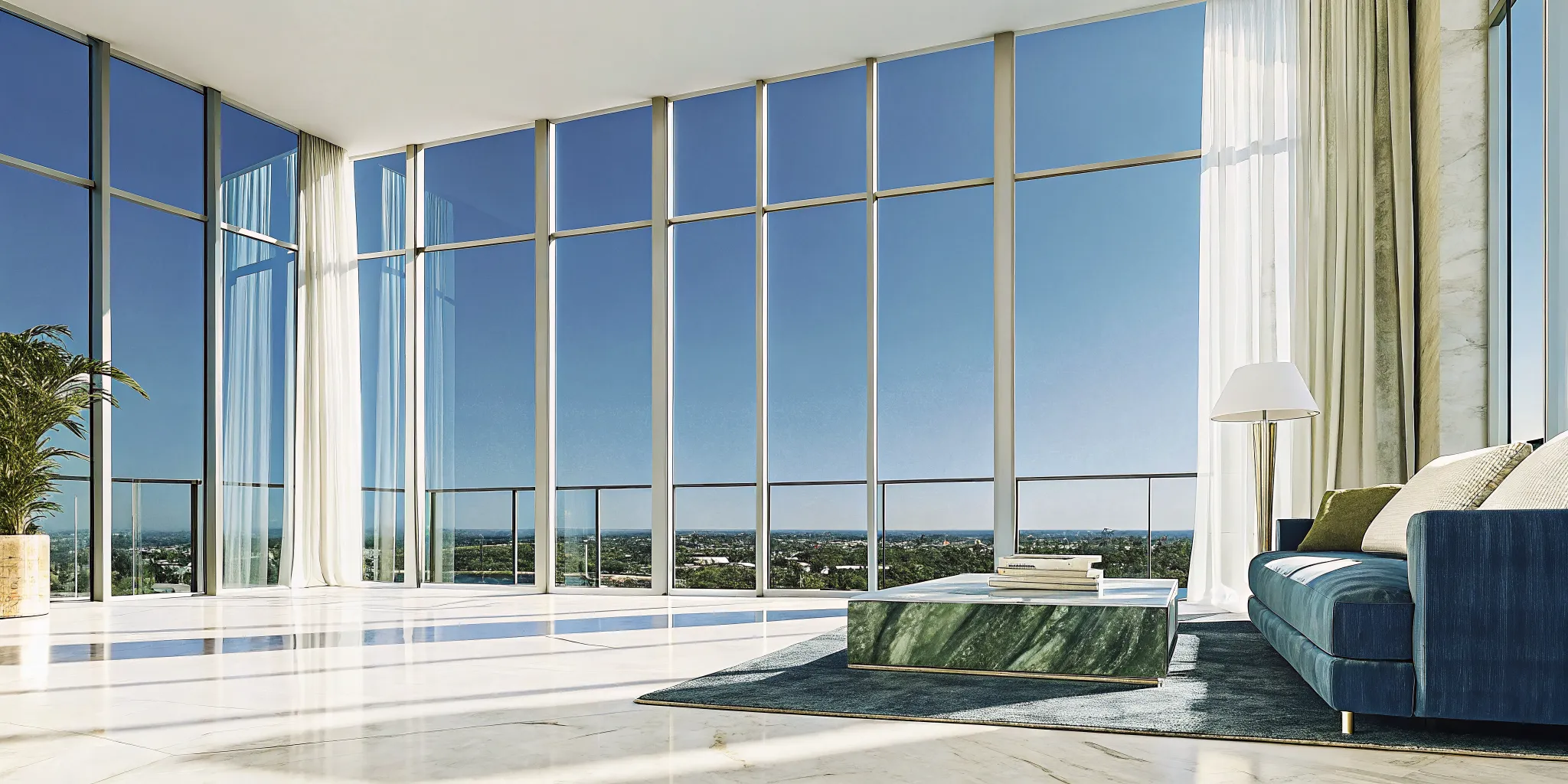
In luxury real estate, presentation is part of the property itself. Buyers are evaluating proportion, privacy, finish quality, and lifestyle potential before they ever schedule a private showing. A carefully prepared home creates the right emotional response while giving the market clear reasons to support a premium offer.
Preparation should begin with a property-specific plan rather than a standard checklist. Professional staging can refine the scale and flow of each room, establish a sophisticated sense of arrival, and help buyers understand how the home lives. The objective is not to erase personality. It is to present the architecture, views, and entertaining spaces in a way that feels elevated and intentional.
Focus on the improvements buyers notice first
The strongest pre-listing decisions usually improve condition, coherence, and confidence. Decluttering allows the floor plan and storage to read clearly. Fresh paint in restrained tones can make rooms feel brighter, while updated lighting, polished hardware, and well-maintained flooring often deliver more impact than highly personal renovations. Repairs should address visible deferred maintenance, including worn finishes, malfunctioning fixtures, water stains, and landscaping that has lost definition.
For a waterfront residence, condominium, or estate property, the preparation plan should also reflect the buyer profile. A polished outdoor setting, clean pool area, shaded terrace, and well-defined entry sequence can be as persuasive as an interior upgrade.
- Remove excess furnishings and personal items so rooms feel spacious and purposeful.
- Complete essential repairs and refresh high-visibility finishes before photography.
- Refine curb appeal with manicured planting, clean pathways, and an immaculate entrance.
- Stage each room around its strongest use, from formal entertaining to relaxed family living.
- Prepare terraces, pools, kitchens, and waterfront areas as extensions of the home.
- Review lighting, window treatments, and artwork so the property photographs with depth.
Make the visual story as exceptional as the home
Luxury photography should communicate more than square footage. An experienced photographer can use composition, natural light, and carefully selected detail shots to convey scale and atmosphere. Videography, aerial views, and a considered sequence can add context when the setting, architecture, or amenities are central to the property story. These assets should be created after staging is complete, with consistent styling across the listing, private presentations, and direct outreach.
That visual story is especially important when introducing a home to relocating buyers and international prospects who may make an initial judgment remotely. The combination of thoughtful preparation and precise marketing helps the property stand apart from competing listings. It attracts more qualified attention and gives an agent stronger ground for negotiating a premium offer.
The Marketing Engine Behind a Miami Luxury Sale
A luxury listing deserves more than visibility. It needs a coordinated campaign that presents the property at its true level, reaches qualified buyers where they search, and gives them a compelling reason to act. For sellers in Coconut Grove, Coral Gables, Brickell, Miami Beach, and other Miami's luxury communities, the objective is not the highest volume of inquiries. It is the right conversations with buyers who have the financial capacity, timing, and appreciation for the asset.
The strongest campaigns combine precise digital targeting with a global referral network. Miami attracts affluent relocators from high-tax states and international buyers, so the audience may be local, national, or overseas. A top luxury agent's relationships with developers, private client advisors, and other influential participants can create access to qualified prospects before they respond to a public listing.
One property, multiple points of discovery
Every channel should reinforce the same positioning while serving a different stage of the buyer journey. A polished campaign may include:
- Targeted digital campaigns: Reach likely buyers by geography, interests, relocation signals, and demonstrated luxury purchasing behavior.
- Major luxury portals: Present the property with professional copy, detailed specifications, refined photography, and accurate neighborhood context.
- Cinematic video and drone work: Show the relationship between architecture, interiors, outdoor spaces, water, skyline, and lifestyle.
- Print and editorial partnerships: Place the listing in publications and environments that carry credibility with high-net-worth audiences.
- Private network outreach: Introduce the opportunity to agents, developers, relocation advisors, and qualified buyers who may not be actively searching online.
International and inbound demand requires thoughtful follow-through. A buyer relocating from New York, California, Latin America, Europe, or Canada may want more than photographs and a price. They may want a clear explanation of the neighborhood, privacy, schools, amenities, and the practical experience of living in Miami. Marketing that anticipates those questions separates genuine prospects from casual browsers.
Confidentiality and Off-Market Strategy for High-Value Sellers
For a high-value seller, the marketing plan must protect more than the property. It must protect privacy, security, timing, and negotiating leverage. This is particularly important for high-profile and celebrity sellers, executives, founders, and families whose names or residences can attract attention before a transaction is ready to become public.
An off-market or pocket listing can provide a controlled first phase. Rather than immediately publishing the address, photography, and pricing across major portals, the agent introduces the opportunity selectively through trusted relationships. Established agent networks can create access to qualified buyers, private client advisors, relocation professionals, and other representatives who understand the expectations surrounding trophy properties. This approach can be especially effective for exceptional waterfront estates, penthouses, and other properties at values exceeding $70 million, where the buyer pool is narrow and highly relationship-driven.
Off-market exposure is not always superior. A private launch may suit a seller prioritizing discretion, testing price, still living in the home, or matching a distinctive profile to a small number of buyers. Public exposure may be better when the goal is maximum competition or broad market feedback. The right decision depends on the seller's priorities, the property's marketability, and the agent's ability to reach credible buyers without sacrificing control.
Confidentiality measures that protect the seller
- Controlled disclosures: Share the address, floor plans, images, and seller identity only after appropriate qualification and, when warranted, a confidentiality agreement.
- Private access protocols: Schedule showings through a single point of contact, verify identities, and limit photography or recording inside the residence.
- Selective network outreach: Present the opportunity to a carefully chosen group of agents and advisors rather than broadcasting details indiscriminately.
- Phased exposure: Establish a private launch period, review response and buyer quality, then decide whether broader public marketing advances the seller's goals.
The strongest luxury real estate agents in Miami treat confidentiality as an operating discipline, not a marketing slogan. They document who has access, communicate consistently, and advise when privacy should yield to the competitive advantages of a public launch. For sellers of high-value property, that judgment can be as important as the final list price.
A Realistic Timeline for Selling Luxury Real Estate in Miami
A luxury sale is not a race to the market. The strongest outcomes come from sequencing the work so the property, pricing, and buyer outreach align before launch. The exact pace depends on the home, its condition, the seller's privacy preferences, and whether the campaign is public, off-market, or both.
Consultation and valuation: one to two weeks
The process begins with a consultation, property review, and pricing analysis that goes beyond comparing recent sales. It considers architecture, views, land, finishes, neighborhood, current competition, and likely buyer profile. For a waterfront home, penthouse, or distinctive estate, the right valuation often requires a broader understanding of comparable properties than an automated estimate provides.
Preparation and staging: three to six weeks
Preparation can include repairs, paint, landscaping, lighting, styling, and decluttering. Luxury buyers notice proportion and presentation immediately, so each decision should support positioning rather than feel over-designed. Photography, video, floor plans, and other campaign assets are produced here. Sellers wanting discretion may begin private conversations with qualified prospects before public marketing begins.
Marketing launch: one to two weeks
Once the property is ready, the campaign moves from preparation to controlled exposure. The launch may include private previews, targeted introductions, digital marketing, editorial outreach, and planned showings. Miami attracts local, national, and international buyers, including relocators and investors, so careful timing matters more than speed.
Showings and offer development: two to eight weeks or longer
Showing activity depends on price, seasonality, property type, and confidentiality requirements. Some sellers receive an offer quickly; others benefit from a longer period of qualified conversations, especially for a narrow price or design category. The representative should assess feedback without overreacting to a single opinion.
Negotiation and contract: one to three weeks
Luxury offers involve more than price. Terms may include deposit structure, closing date, financing, furnishings, contingencies, inspections, and personal property. Thoughtful negotiation protects both the headline value and the seller's practical priorities.
Inspection and appraisal: two to four weeks
After contract, inspections and lender requirements are addressed. Waterfront, condominium, and older properties may require particular attention to building records, systems, reserves, or association requirements. Prompt access to the right professionals prevents avoidable delays.
Closing: two to six weeks
The final phase covers title work, disclosures, financing coordination, final walkthrough, and closing documents. The timeline can be shorter for a clean cash transaction or longer for a buyer financing or coordinating an international move. Miami-Dade recorded $13.7 billion in real estate spending in the first half of 2026, according to the Miami Herald.
These phases are a planning framework, not a rigid promise. A seller may choose a quiet extended campaign, a faster private transaction, or a Miami new developments informed approach.
Common Selling Mistakes and How to Avoid Them
Selling a luxury property in Miami requires more than placing a listing online and waiting for the right buyer. The market includes relocating executives, international purchasers, investors, and cash buyers, each with different motivations and expectations. A polished strategy protects your leverage while presenting the home at its strongest.
- Mistake: Overpricing from the outset. A high asking price can make a property appear disconnected from current market evidence, causing serious buyers to overlook it and extending its time on the market. Fix: Use comparable sales, active competition, buyer demand, and the property's condition to establish a defensible launch price. Revisit the strategy when the market provides new evidence rather than relying on an emotional valuation.
- Mistake: Underpreparing the home. Skipping staging, repairs, or professional photography can weaken the first impression, especially when buyers are comparing exceptional homes across Miami. Fix: Prepare the residence as a complete presentation. Address visible distractions, refine the furnishings and lighting, and commission photography that shows the home's architecture, scale, views, and lifestyle.
- Mistake: Choosing an agent based only on volume. A large sales number does not automatically demonstrate skill with your property type, neighborhood, privacy requirements, or buyer profile. Fix: Ask how the agent will position the home, which qualified audiences they can reach, and how they will advise through inspection, negotiation, and closing. The Maya Vander Group brings a strategic, client-focused approach to Miami luxury representation.
- Mistake: Ignoring market data and buyer psychology. Buyers relocating from New York and San Francisco may be accustomed to higher housing costs and may evaluate Miami through a different value lens. The Miami Herald reported that Miami's cost of living is now higher than New York or Los Angeles, based on Bureau of Economic Analysis data. Fix: Pair current pricing evidence with a clear explanation of lifestyle, location, operating costs, and long-term value. Cite: Miami Herald market analysis.
- Mistake: Limiting reach or rushing confidentiality decisions. An overly narrow marketing plan can miss the ideal purchaser, while an indiscreet launch can compromise a seller's privacy. Fix: Decide in advance which details, images, and showing procedures should remain private. Then build a qualified outreach plan that balances discretion with enough exposure to create meaningful interest.
Clear expectations matter as much as presentation. Before launching, discuss the likely timeline, showing standards, feedback process, negotiation priorities, and costs of carrying the property. That alignment makes decisions more deliberate when offers arrive and helps preserve the experience you want throughout the sale.
Frequently Asked Questions
What should I look for in a luxury real estate agent in Miami?
Look for deep knowledge of the neighborhoods and property types relevant to your sale, a verifiable record of luxury transactions, and a clear pricing and marketing process. The right advisor should understand discreet buyer outreach, international clients, and the details that shape value in neighborhoods such as Coconut Grove, Coral Gables, Brickell, and Miami Beach.
How do luxury real estate agents in Miami price exclusive properties?
Pricing combines recent comparable sales with current competition, buyer demand, property condition, location, architectural distinction, and the likely audience for the home. A strong agent does not rely on a single automated estimate. Instead, the agent builds a positioning strategy that supports the property's value while leaving room for negotiation and changing market conditions.
What should I know before selling luxury real estate in Miami?
Expect a more deliberate preparation and marketing process than a standard residential sale. Presentation, photography, private previews, digital exposure, and confidentiality all matter. Before listing, clarify your preferred timeline, privacy requirements, showing protocol, and financial objectives so the launch strategy reflects both the home and your priorities.
How do Miami luxury real estate agents find off-market buyers?
They typically combine established relationships, brokerage and private networks, direct outreach, and carefully managed introductions. Off-market activity works best when the agent understands which qualified buyers may be a genuine fit and protects the seller's privacy throughout the process. It should complement, rather than automatically replace, a broader launch strategy.
The right luxury real estate advice protects your pricing, your privacy, and the final value of your home. The Maya Vander Group brings that expertise to every stage of your sale, from staging and photography to negotiation and closing. Schedule a consultation with The Maya Vander Group to begin planning your Miami luxury sale.
Ready to Explore Luxury Real Estate in Miami?
Don't miss opportunities in one of Florida's most desirable markets. Contact Maya Vander today for exclusive access and personalized service.


