
Brickell Neighborhood Miami Florida: Buyer Guide
Choosing a Brickell home is less about finding the most impressive address and more about matching the setting to the way you will actually live. A buyer working near the financial district may value a different entrance, building scale, and daily route than a household prioritizing quieter streets and outdoor access.
For buyers comparing the brickell neighborhood miami florida market, the right pre-offer framework weighs subarea, property type, daily access, ownership obligations, and building-specific records together rather than treating location as a simple label.
That distinction matters because Brickell contains different residential experiences within one recognized neighborhood. Before touring, define the routines and tradeoffs that matter most, then use them to narrow the search and shape better questions for your adviser.
Discuss your Brickell buying priorities with The Maya Vander Group
What Does Brickell Neighborhood Miami Florida Mean for a Buyer?
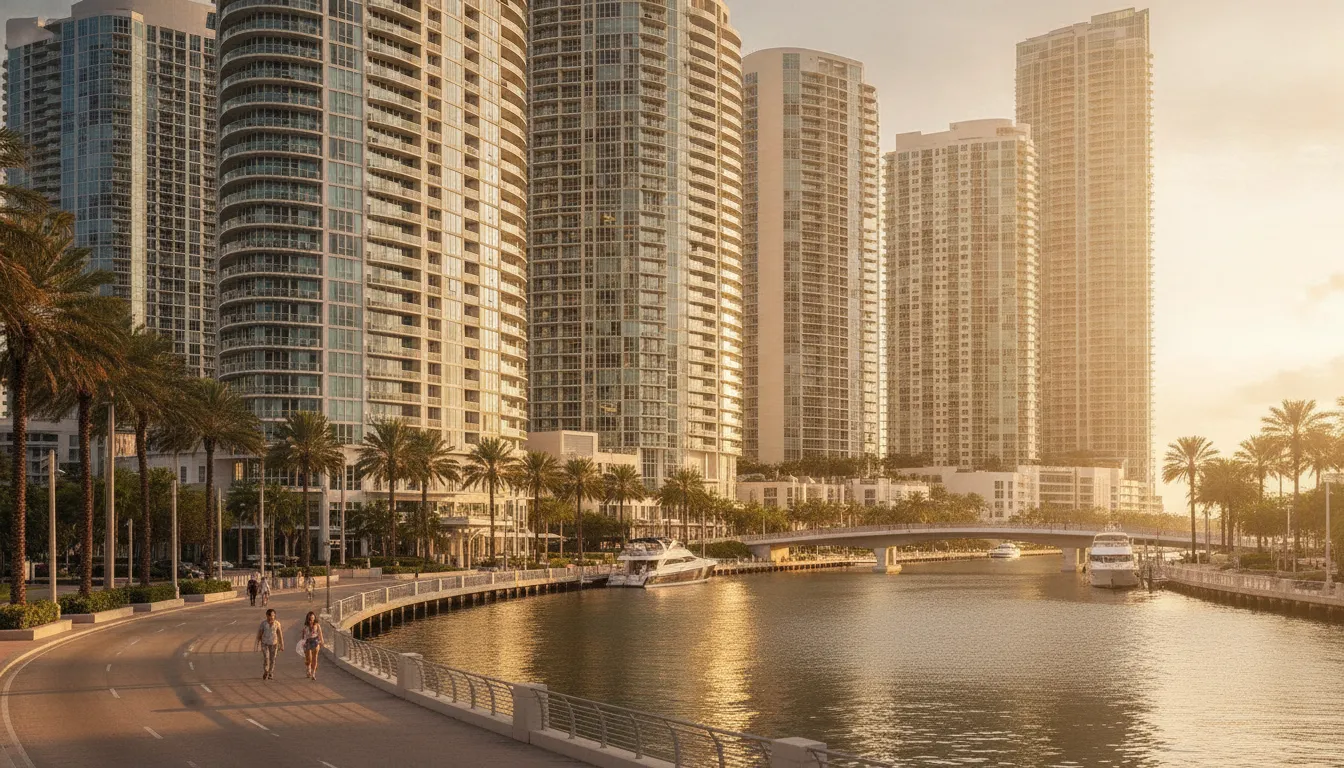
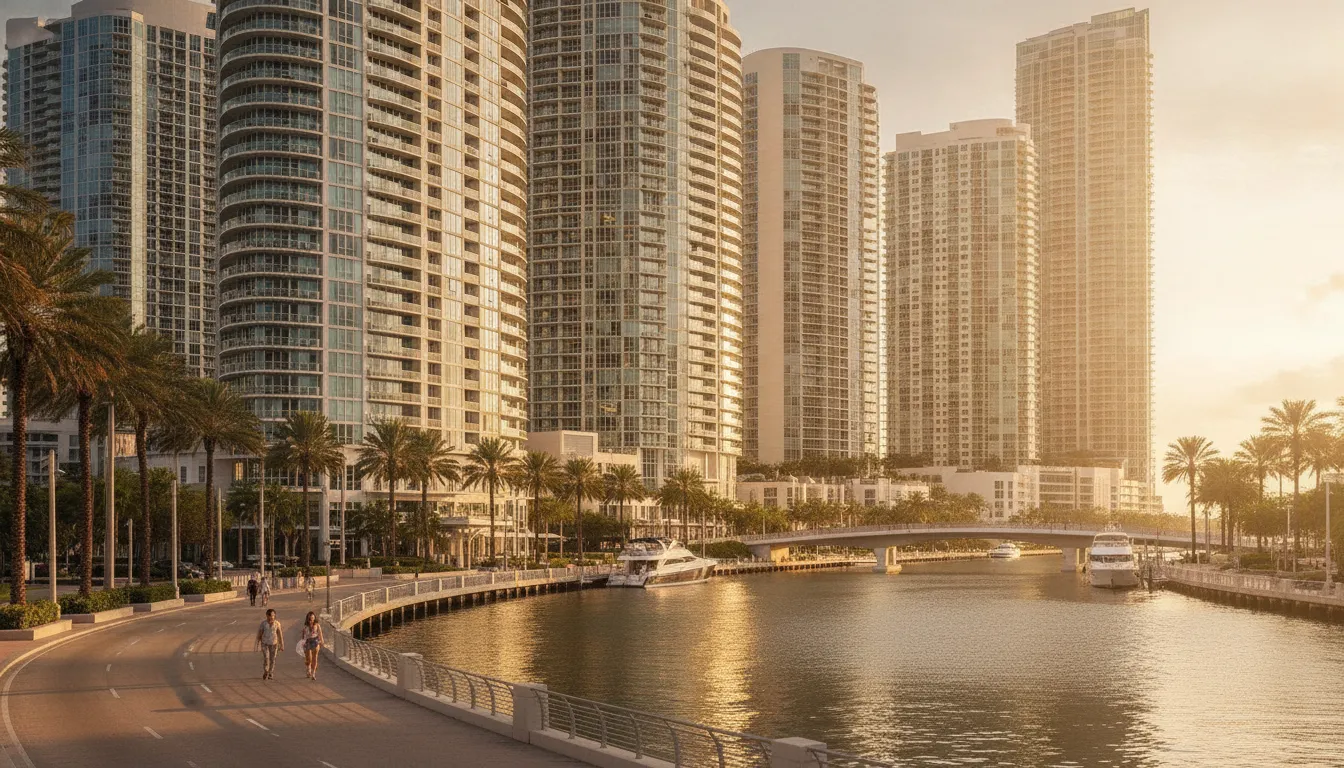
For a buyer, Brickell is not one uniform residential setting. It is an urban Miami neighborhood east of Interstate 95, north of Coconut Grove, south of the Central Business District and Miami River, and extending east to Biscayne Bay. Those boundaries matter because a Brickell address can place you near different building concentrations, streets, work centers, and daily routines. A useful starting point is this Miami neighborhood guide for buyers, then narrow the search to the part of Brickell that supports your actual use of the home.
The decision boundary is therefore geographic and practical. Ask which side of the neighborhood best matches your preferred access pattern, how much activity you want immediately around the building, and whether your priority is a residence connected to an established business district or a more residential tower setting. These are fit questions, not a ranking of one section over another.
Building mix provides one useful distinction. Sources describe Brickell as having mostly financial and residential buildings north of Broadway, while the area south of Broadway is mostly residential. The neighborhood has also changed as residential and mixed-use towers expanded its urban core. That evolution means buyers should compare the surrounding context, not rely on the neighborhood name alone. Two properties marketed as Brickell may offer meaningfully different relationships to offices, shops, waterfront surroundings, and the streets used to reach them.
This article focuses on that pre-offer comparison: subarea, property type, access, intended use, and building-specific ownership questions. It does not replace a general history of Brickell, a universal safety judgment, or a complete legal, insurance, engineering, or association review. Those questions belong to qualified professionals and the records for the specific property.
For an initial shortlist, define what must be close, what can be farther away, and which building characteristics are non-negotiable. Then evaluate each candidate against those criteria rather than treating the Brickell label as the answer.
Which Brickell Setting Fits Your Daily Life?
Brickell is not one uniform residential experience. The right setting depends on how your household moves through the day, how much activity you want around you, and whether the home is primarily a full-time residence, a city base, or a future investment. A useful first pass is to compare the area north of Broadway, the central corridor, and lower Brickell before narrowing the search to individual buildings.
North Brickell: closer to the business core
North Brickell sits nearer the Miami River, the Central Business District, and the concentration of financial and office buildings. It may suit a buyer who values a shorter urban commute, a strong connection to workday activity, and easy access to downtown destinations. The setting can feel more commercially integrated, so buyers should consider how they feel about active streets, office traffic, and a faster weekday rhythm. For relocation planning, the Group's guide to moving to Miami real estate can help frame the broader lifestyle transition.
Central Brickell: a connected daily base
Central Brickell often works for households that want a balance between residential towers, restaurants, services, and access to the neighborhood's main movement corridors. The question is not simply whether a building is convenient. Ask which entrances, streets, amenities, and routes you will actually use on a normal weekday. A home that looks central on a map may function differently depending on its lobby orientation, parking arrangement, and distance from your preferred destinations.
Lower Brickell: more residential emphasis
South of Broadway, Brickell is described as predominantly residential, with high-rise homes forming much of lower Brickell's identity. This context may appeal to buyers who want a clearer separation from the office core while remaining within an urban neighborhood. Views, balcony exposure, traffic noise, and the pace of activity can vary materially from one block and building to the next. Review the actual residence rather than assuming that a subarea label answers those questions. For one concrete point of comparison, explore the Lofty Brickell building details.
These boundaries are decision aids, not rigid categories. Brickell's urban core has expanded west toward I-95, and building context can change quickly. Before touring, write down your non-negotiables: commute, school or childcare routines, outdoor space, guest access, view direction, noise tolerance, and intended use. Then compare buildings against that list, not against a generic idea of the brickell neighborhood miami florida.
How Do Condo, Townhome, and Single-Family Choices Differ?
Brickell is best known for high-rise residential and mixed-use buildings, but the right property type depends on how you intend to live, use, and hold the home. A condo may suit a buyer who values amenities, building services, and a lock-and-leave routine. A townhome can offer more separation and direct access without the maintenance profile of a detached house. A single-family home may provide the greatest control and privacy, but it also places more responsibility on the owner.
| Property type | Best fit | Questions to ask | Primary tradeoff |
|---|---|---|---|
| Condo | Buyers seeking services, shared amenities, and a managed urban lifestyle. | How are reserves funded? Is the building financing-eligible? What are the rental and renovation rules? | Association rules, assessments, and building-level decisions affect ownership. |
| Townhome | Households wanting multiple levels, more direct entry, or a stronger indoor-outdoor connection. | Which elements are maintained by the association? What restrictions apply to exterior changes, parking, and leasing? | It can balance privacy and convenience, but shared rules still shape the property. |
| Single-family home | Buyers prioritizing privacy, control, outdoor space, and flexibility for a household. | What inspections, insurance, flood considerations, and ongoing maintenance obligations should be evaluated? | The owner has greater control, but also carries more direct upkeep and risk-management duties. |
Within the condo category, building character matters as much as the floor plan. Reviewing Lofty Brickell building details or 2200 Brickell condo details can help a buyer see how amenities, services, and building rules vary. A buyer considering the property as an investment should also review the broader Miami condo investment considerations before assuming that a desirable address guarantees a suitable ownership structure.
The useful comparison is not simply condo versus house. It is the relationship between your intended use, tolerance for shared decision-making, financing requirements, and willingness to manage the property. Those answers should determine which Brickell options deserve a closer document review.
How Should Buyers Compare Brickell Access and Transportation?
Transportation should be evaluated as part of the property, not as an afterthought. In a neighborhood where daily routines may include work, dining, school, appointments, airport connections, or hosting visitors. The practical value of a residence depends partly on how easily each person can move from its entrance to the places they use most.
Start by mapping actual routines rather than relying on a broad impression of the brickell neighborhood miami florida. Note the building's walking route to transit, the location of the nearest station, and whether the route fits your schedule and mobility needs. Then compare that access with your likely use of a private vehicle, rideshare, bicycle, or walking. These details can help distinguish a home that supports your lifestyle from one that simply looks well located on a listing.
Use the transit network as a daily-life test
Miami-Dade describes Metromover as a free elevated people-mover serving Downtown Miami, Omni, and Brickell seven days a week. The system serves 21 stations from Financial District Station in Brickell to School Board Station in Omni, with posted service hours of 5:30 a.m. to 10 p.m. daily. Review the official Metromover information and test the route for the times you expect to travel.
The City of Miami's Biscayne Trolley route also serves Downtown Miami, Brickell, and the Biscayne corridor. Its published route information identifies Brickell Metrorail Station as a major stop. Consult the City of Miami trolley maps and routes before assuming that two buildings offer equivalent access.
Ask how access affects future use
For a primary residence, transit access may shape how often household members can travel independently. For a second home or investment, it may influence how easily occupants experience the area without a car. Neither consideration replaces reviewing the building, unit, association, and applicable use restrictions. Instead, access belongs in the same practical comparison as layout, services, carrying costs, and intended occupancy. During a tour, walk the route, confirm the station entrance, and record what changes at the hours when you expect to use it.
What Ownership and Insurance Questions Belong in the Offer?
In a waterfront-adjacent market, an offer should address more than price, timing, and furnishings. Before committing to a Brickell residence, clarify how prior flooding, current insurance, inspection rights, and the building's financial position could affect ownership. These questions are not a substitute for legal, insurance, or building-professional advice, but they help shape a more informed offer.
Ask about flood history before contract execution
Florida law requires a seller to provide a residential flood disclosure at or before the time the sales contract is executed. The statutory disclosure asks whether the seller knows of flooding that damaged the property. Whether a flood-damage insurance claim was filed, and whether the seller received assistance for flood damage, including FEMA assistance. Review the answers carefully, then ask follow-up questions about the unit, parking areas, storage, access points, and any locations that may have been affected.
Read the current requirements in the Florida Senate flood disclosure statute. The timing matters: buyers should raise material questions during negotiation and due diligence rather than waiting until a closing deadline.
Separate homeowners coverage from flood coverage
Do not assume a standard homeowners policy covers every water-related loss. Florida's statutory disclosure states that homeowners insurance policies do not include coverage for damage resulting from floods and encourages buyers to discuss separate flood coverage with an insurance agent. For a condominium, also distinguish the unit owner's policy from the association's master policy. Ask what each policy covers, where exclusions apply, and whether the building's insurance terms could affect financing or future assessments.
The CFPB advises buyers to ask the current owner about flood and other disaster risks before making an offer. Those conversations, along with independent insurance guidance, may help identify unexpected costs, property damage concerns, or coverage problems. The CFPB's flood and disaster-risk questions provide a useful starting point.
Protect the inspection and review period
Ask whether the offer includes an inspection clause that clearly defines the inspection window, access, and available remedies. The CFPB describes an inspection clause as a condition allowing the offer to proceed only if inspection results are acceptable. In a high-rise, the review should remain focused on the unit while also recognizing building-level concerns. Such as structural information, association documents, reserve studies, financing eligibility, and rental restrictions. A high-rise condo due diligence guide can provide broader context without replacing transaction-specific review.
Keep the offer questions bounded and purposeful. Confirm the documents and insurance information needed for your intended use, ask how unresolved issues will be handled, and have qualified advisers review language before you sign.
Which Questions Should You Ask Before Choosing a Brickell Building?
Before you choose a building in the brickell neighborhood miami florida market, move beyond views, finishes, and amenities. A pre-offer conversation should establish whether the property supports your intended use, remains financially sound, and fits the way you expect to own it. Ask the listing agent, association, lender, insurance professional, and inspection team questions that can be answered with current documents rather than assumptions.
What will you use the property for?
Will this be your primary residence, a seasonal home, a pied-a-terre, or a rental? Your answer affects the importance of rental restrictions, minimum lease terms, guest policies, parking, storage, and building services. Ask whether the association rules match your intended occupancy and whether those rules apply differently to owners, tenants, or guests.
Which association documents should you review?
Request the declaration, bylaws, rules, recent meeting minutes, budgets, financial statements, reserve information, and records of pending or completed major work. Ask what the association has identified as upcoming projects and whether owners may face assessments. The goal is not to treat one document as a guarantee. It is to understand how the building is governed and where further professional review is needed.
Are reserves, assessments, and financing aligned?
Ask how reserves are funded, whether assessments are currently proposed or unpaid, and whether the building meets the requirements of your intended lender. Financing eligibility can affect both your purchase and the future pool of buyers. For a broader framework, review these Miami condo investment considerations alongside your lender's building review.
What do insurance and property-condition records show?
Ask what the association's master policy covers, what remains your responsibility, and whether flood coverage is separate. Florida law requires a residential flood disclosure at or before contract execution, and the statutory disclosure notes that standard homeowners insurance does not cover flood damage. Discuss coverage with an insurance agent. Also ask for inspection access and investigate water intrusion, concrete or structural concerns, mechanical systems, and deferred maintenance before finalizing offer terms.
These questions create a disciplined starting point. The answers should shape your document review, inspection contingencies, financing plan, and decision to proceed, not simply confirm a building that already looks appealing.
How Can You Build a Brickell Shortlist Before You Tour?
A useful shortlist turns a broad search into a focused comparison. Before scheduling several showings, decide what must work in daily life, what ownership questions need answers, and which tradeoffs you are willing to accept.
- Define the intended use. Decide whether the home will be your primary residence, a seasonal base, a future rental, or a combination. Your intended use affects the importance of rental restrictions, association rules, financing eligibility, storage, guest access, and building services.
- Map your real routines. Mark the destinations that shape your week, such as an office, school, airport route, waterfront access, or preferred dining area. Compare the practical access pattern from each candidate rather than relying on a general impression of Brickell.
- Shortlist property types. Separate high-rise condominium living from townhome or single-family alternatives where relevant. Consider the balance between amenities and association oversight, privacy and convenience, outdoor space and maintenance, or a lock-and-leave setup and room for a household.
- Request records and insurance information. For each serious condo candidate, ask for the association documents, reserve information, structural or inspection materials, current insurance details, rental rules, and any assessment information available for review. These records can change the appeal of a building more than its finishes do.
- Compare total ownership. Look beyond the list price. Organize recurring fees, insurance, taxes, assessments, maintenance, parking, and likely improvements in one comparison. Avoid treating an attractive monthly figure as the complete cost of ownership.
- Tour with a short scorecard. Test the arrival, lobby, elevators, parking, noise, views, common areas, unit layout, and surrounding streets against your stated priorities. Record observations immediately so the most polished presentation does not overshadow practical fit.
- Validate offer terms before acting. Revisit inspection protections, document review, financing, deadlines, included items, and contingencies with your real estate and legal professionals. The strongest candidate is the one whose use, building condition, costs, and contract terms remain aligned after review.
Connect with The Maya Vander Group to refine your Brickell shortlist.
Frequently Asked Questions
How should I compare Brickell buildings before choosing a property?
Start with your daily pattern, then compare the building type, location, access, amenities, rental rules, and ownership obligations against it. A high-rise near the financial district may suit a buyer who values an urban commute, while a quieter residential setting may better fit a household seeking a different pace. Shortlist several buildings before judging individual units.
What access questions matter when buying in Brickell?
Map the trips you will make most often, including work, school, the airport, medical appointments, and weekend destinations. Confirm walking routes, garage access, visitor parking, and realistic travel times at the hours you use them. Metromover is a free service connecting Downtown Miami, Omni, and Brickell seven days a week, according to Miami-Dade County (Miami-Dade County).
What insurance questions should I ask before making an offer?
Ask for the property's flood history and disclosure, understand what the association policy covers, and obtain an insurance review for your unit and belongings. Florida law requires a residential flood disclosure at or before contract execution, and the statutory disclosure explains that standard homeowners insurance does not cover flood damage (Florida Statutes).
Which association documents should I review before going under contract?
Request the declaration, budgets, financial statements, reserve information, recent meeting minutes, pending assessments, insurance details, rental restrictions, and financing-related requirements. Review them with the appropriate professionals so you understand both recurring costs and possible future obligations. The goal is not simply to approve the unit, but to confirm that the building supports your intended ownership plan.
When is a Brickell property ready to move from shortlist to offer?
Move forward when one property fits your location and lifestyle priorities, the building documents have been reviewed, financing and insurance appear workable, and the inspection plan is clear. Put contingencies and document deadlines in writing with your real estate and legal advisers. A disciplined shortlist helps you negotiate from verified information rather than reacting to a polished showing.
Plan Your Brickell Search
A focused conversation can help you connect your preferred setting, property type, daily access, and ownership priorities before you spend time touring. The Maya Vander Group can help you turn those criteria into a practical Brickell shortlist and identify the questions to address before an offer. Share what you want your Miami routine to look like, then let the search develop around the fit that matters to you.
Ready to Explore Luxury Real Estate in Miami?
Don't miss opportunities in one of Florida's most desirable markets. Contact Maya Vander today for exclusive access and personalized service.


