














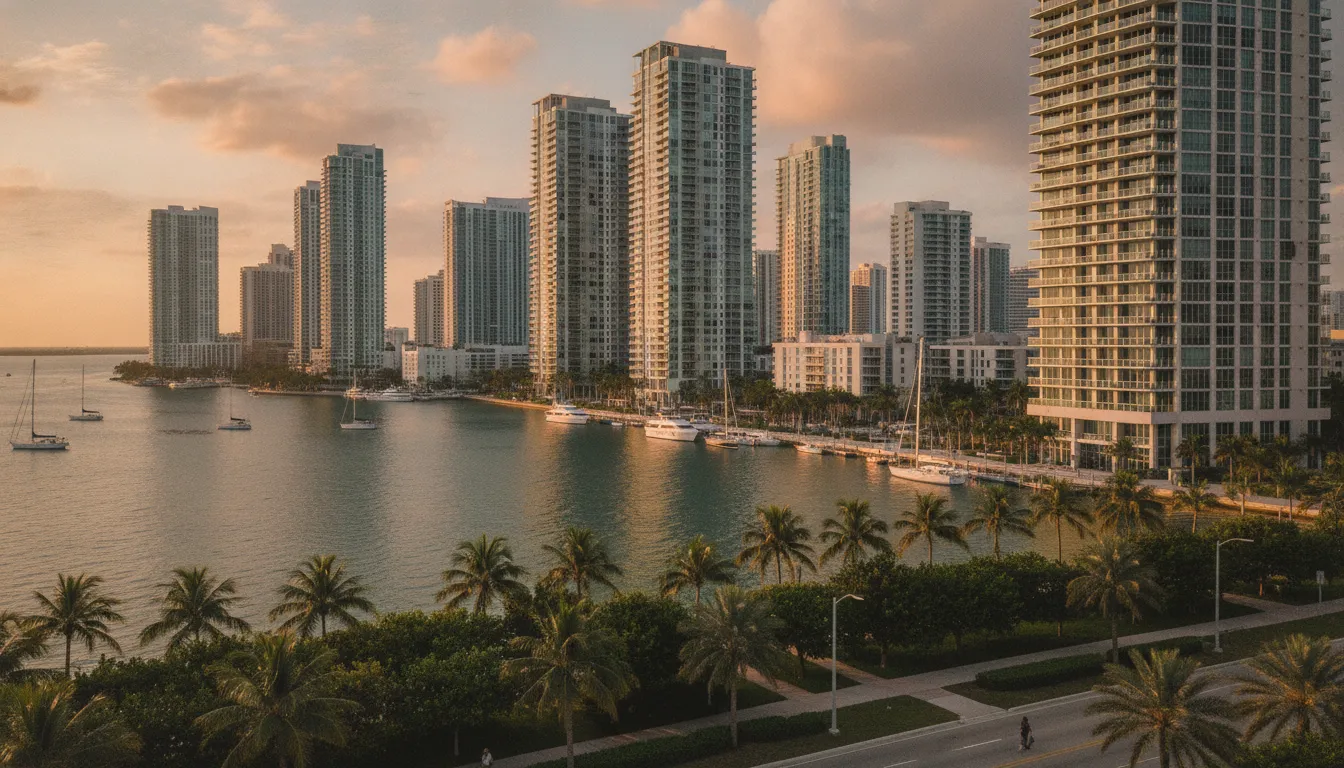








Miami Real Estate Safe Haven Investment Latin America
For many Latin American families, a Miami luxury condo is more than a second home. It can be part of a broader plan for diversification, dollar exposure, privacy, lifestyle, or multigenerational use. The opportunity, however, depends on the building, ownership structure, costs, and intended use, not on the city name alone.
Viewed carefully, miami real estate safe haven investment latin america can describe a diversification strategy with dollar-denominated exposure. It is not a guarantee of safety, appreciation, liquidity, rental income, or protection from market and building risks.
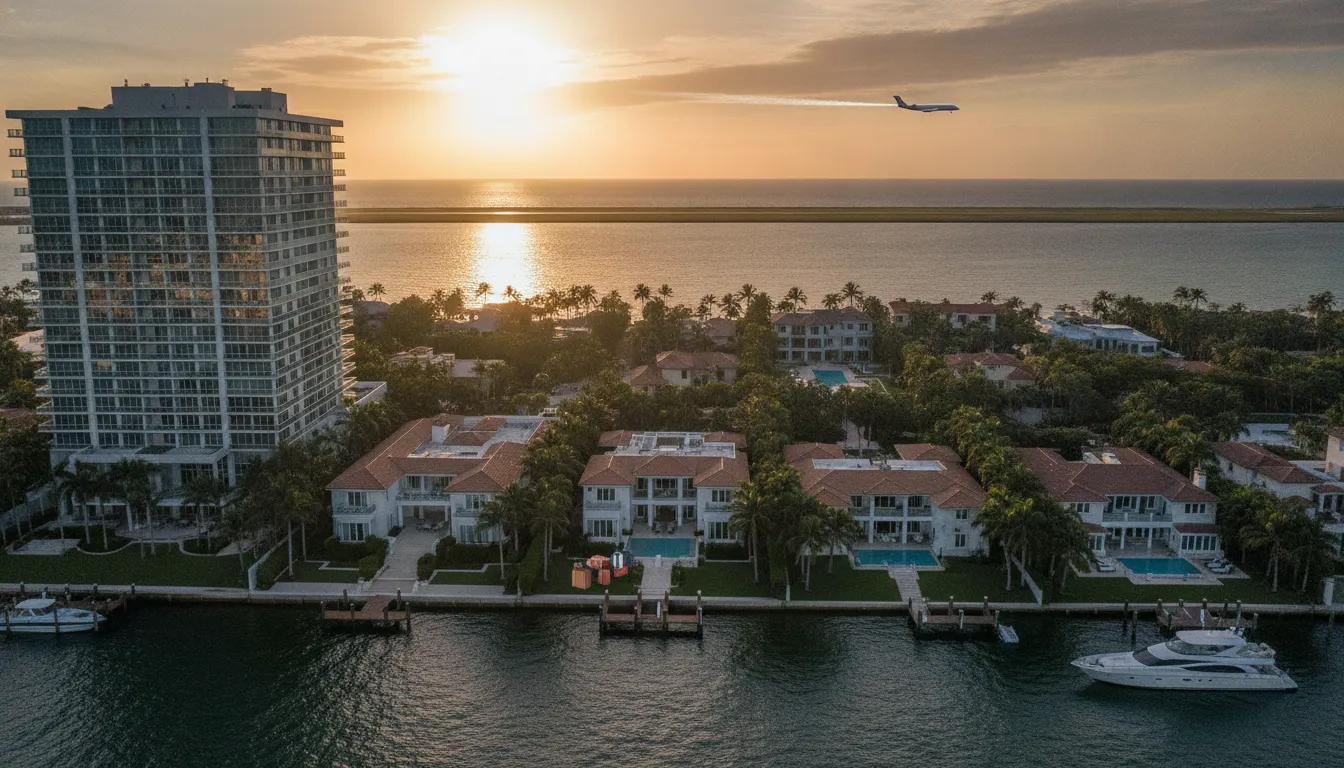
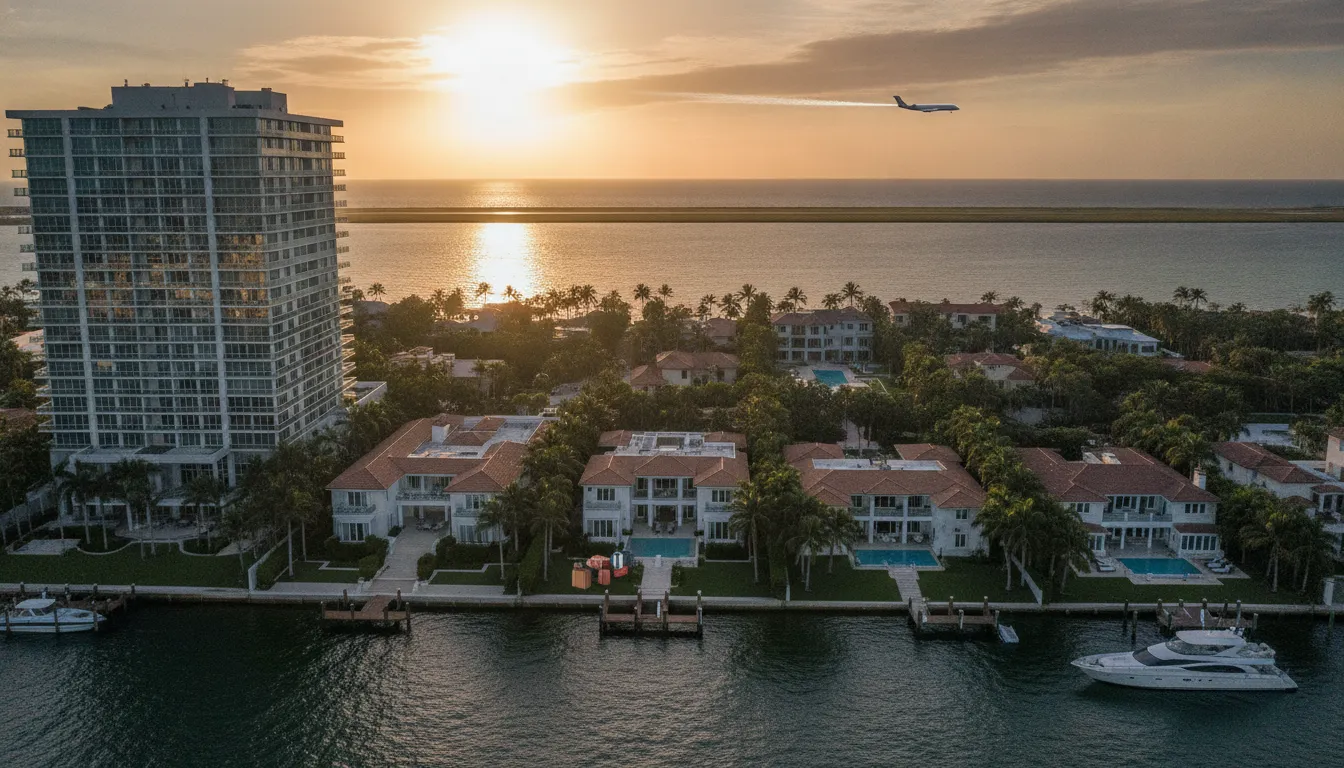
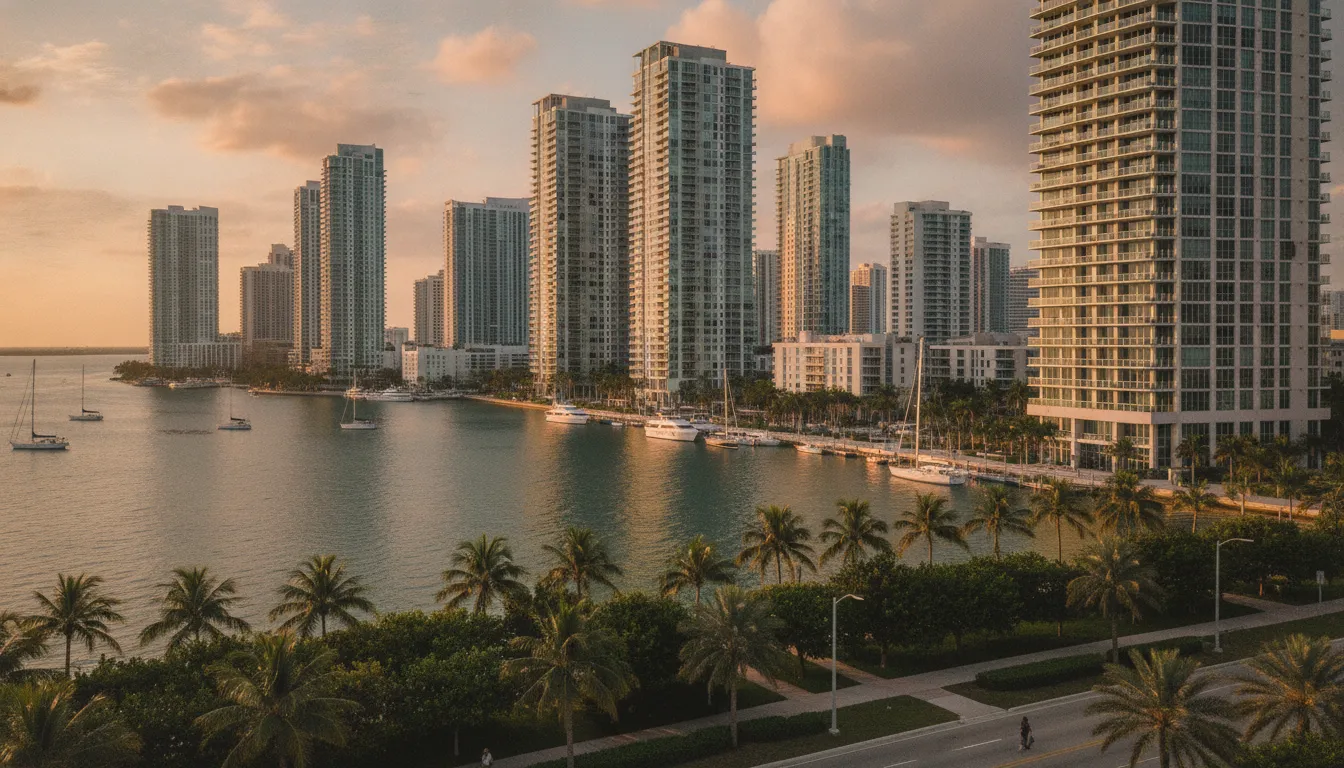
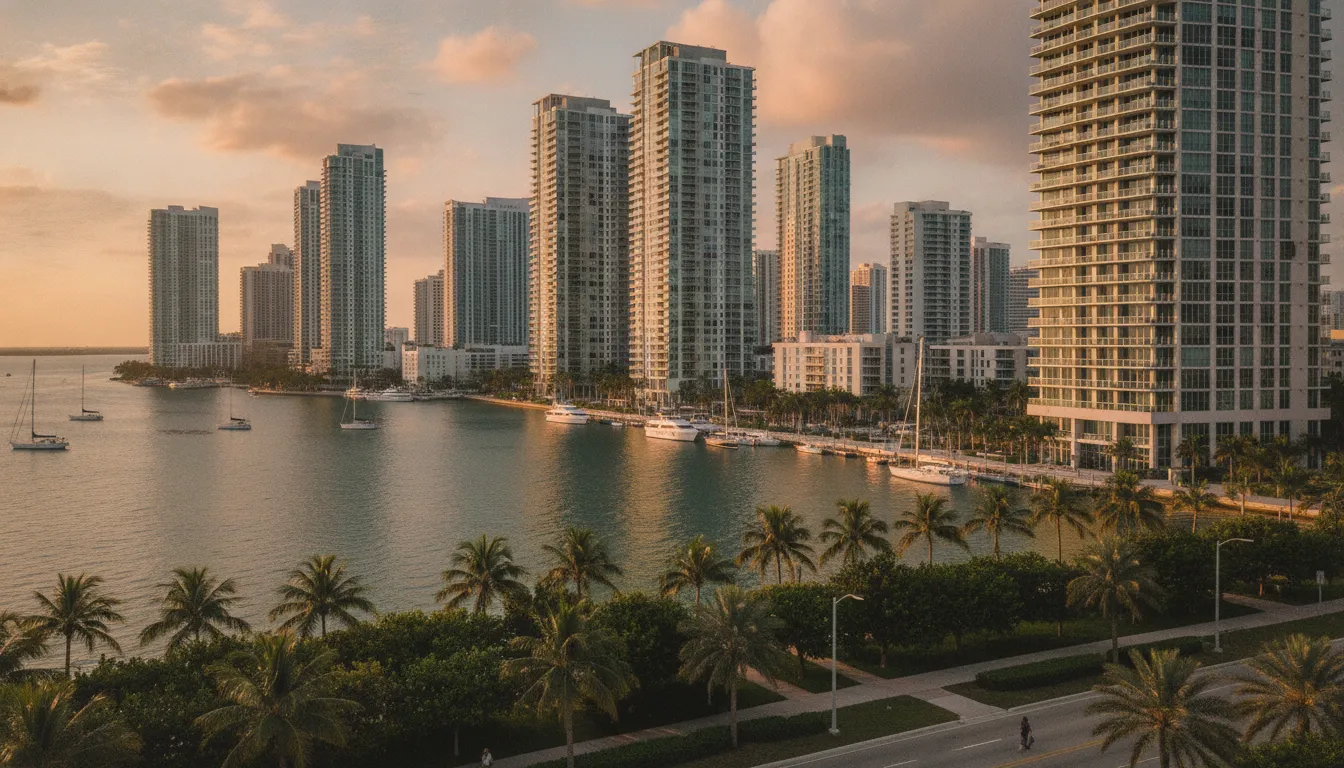
That distinction matters when comparing Miami-Dade markets such as Brickell, Miami Beach, Aventura, Coconut Grove, Coral Gables, and Key Biscayne. Each offers a different combination of access, lifestyle, building stock, association governance, and resale considerations. Before reviewing individual opportunities, it helps to understand why Miami appeals to international wealth and how neighborhood fit shapes the investment decision.
Review the steps to buy a Miami condo.
Why Miami Real Estate Attracts Latin American Wealth
Miami real estate can help some Latin American families diversify wealth and establish a US base. The appeal is not that property is risk-free. It combines dollar exposure with international access, luxury services, and multigenerational use.
Dollar-denominated ownership may be meaningful for buyers who want part of their assets held outside their home currency. That objective must be weighed against financing terms, ownership costs, and market conditions. A property may also be difficult to sell or carry at a given moment. A safe-haven thesis is an investment objective, not a guarantee of preservation, appreciation, or liquidity.
Access, lifestyle, and privacy
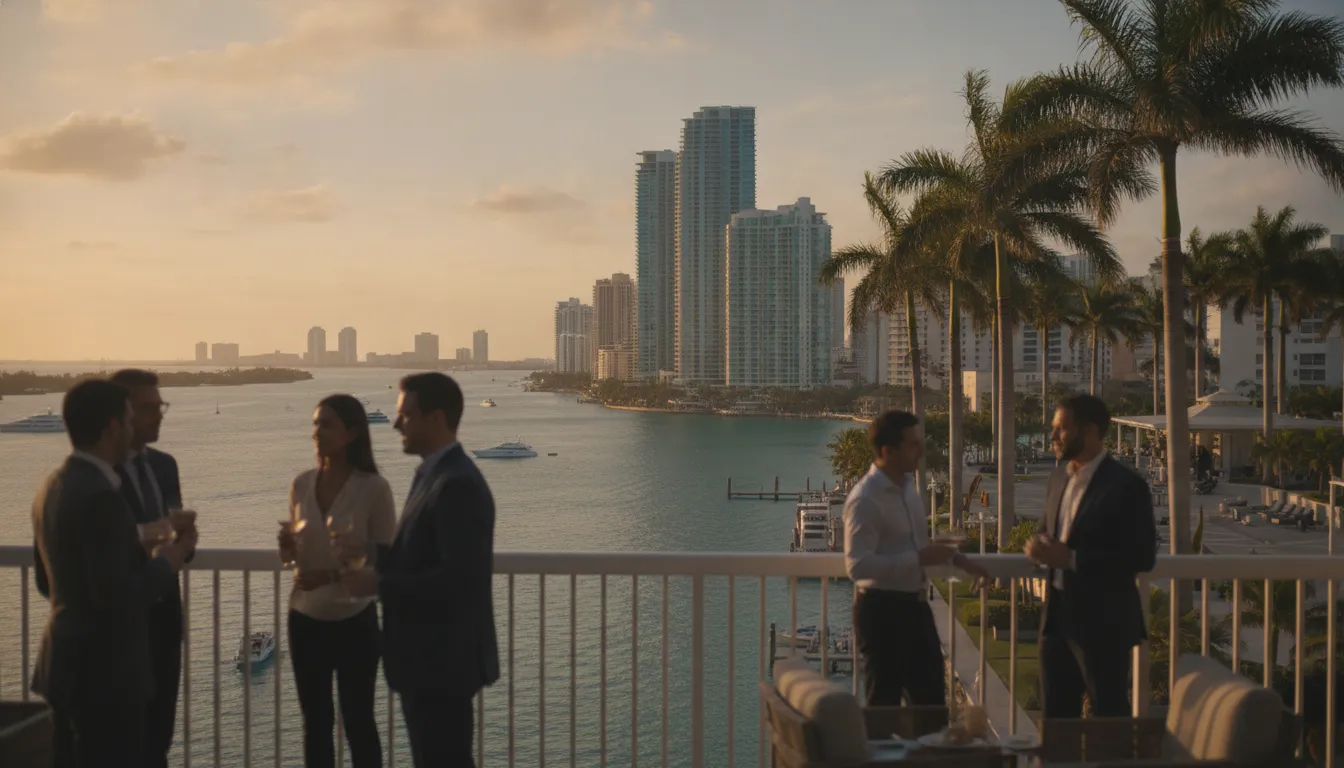
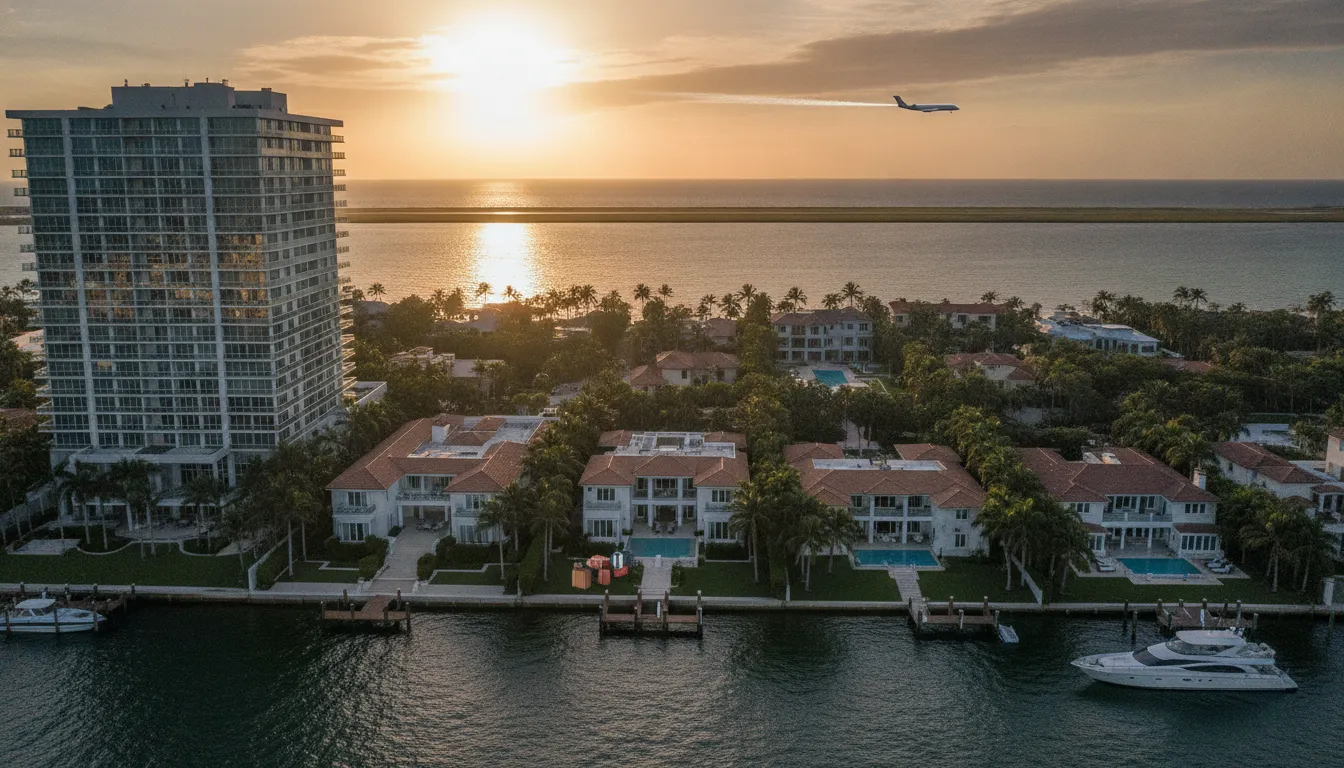
Miami offers proximity to Latin America, an international business environment, and a lifestyle that can work for both personal visits and longer stays. Buyers may value private residences, full-service buildings, waterfront settings, cultural familiarity, and the ability to host family members without treating the property as a short-term trade. These considerations often sit alongside financial goals rather than replacing them.
That is why neighborhood fit matters. Brickell may suit a buyer who prioritizes an urban business setting, while Miami Beach, Aventura, Coconut Grove, Coral Gables, and Key Biscayne present different combinations of setting, mobility, privacy, and daily convenience. Our Miami luxury neighborhood guide provides a useful framework for comparing those distinctions.
Choosing the right form of luxury
Branded residences can appeal to international buyers seeking a recognizable service model or hospitality-oriented experience. Branding alone, however, does not establish a premium or future appreciation. The building, association, location, ownership structure, and intended use still deserve independent review before a buyer decides whether the property fits a long-term family or investment plan.
How Buyers From Latin America Evaluate Miami Real Estate Safe Haven Investment
A safe-haven objective is a framework for evaluating resilience, diversification, and practical use. It is not a promise that a Miami condo will be immune to currency movements, market cycles, insurance changes, building expenses, or resale delays. The right question is whether a specific property and building support your broader objectives after those risks are examined.
Begin with a property-level review rather than relying on the reputation of a neighborhood or tower. Risk-aware investors examine association finances, reserves, assessments, rental restrictions, financing conditions, and total ownership costs. The Florida Department of Business and Professional Regulation describes a Structural Integrity Reserve Study, or SIRS. The study considers association-maintained components, existing reserves, and funding for expected costs. It also covers future major repairs and replacement of structural elements. Those documents can help turn a broad safe-haven idea into a more disciplined building comparison.
Use the following questions to compare opportunities without assuming that any one category guarantees performance.
| Evaluation area | Questions to ask |
|---|---|
| Portfolio role | Is the condo intended for diversification, personal use, multigenerational planning, rental activity, or a combination? |
| Currency exposure | How will a dollar-denominated asset fit alongside your existing holdings, income, and obligations? |
| Building risk | What do the SIRS, reserve balances, inspection records, pending assessments, and association budgets reveal? |
| Use and rental flexibility | Do declaration rules, minimum lease terms, approval procedures, and building operations match the intended use? |
| Liquidity and exit | Who is the likely future buyer, and what documents, carrying costs, and market conditions could affect a sale? |
For a deeper document and building review, see this guide to Miami condo investment due diligence. A qualified real-estate, legal, and tax team can then help connect the findings to your personal objectives without treating safe-haven status as a guarantee.
The Investment Case for Miami Condos as Dollar-Denominated Assets
For an international buyer, a Miami condo can hold a US dollar-denominated asset while allowing personal use or multigenerational flexibility. That role depends on the building and ownership plan. Dollar denomination does not remove property, financing, association, insurance, or market risk.
Building quality is the first filter. Review the association's financial statements, reserve planning, maintenance history, insurance position, and any known structural or capital projects. Florida describes a Structural Integrity Reserve Study (SIRS) as a planning tool that evaluates association-maintained components, existing reserves, and funding needs for anticipated major repairs. The Florida DBPR SIRS guidance can help buyers understand why these records matter.
Reserves and assessments affect the asset beyond the purchase decision. An association with inadequate funding may face higher owner contributions or special assessments. A clearer maintenance plan may offer greater visibility into future ownership costs. This is why Miami real estate investment fundamentals should be applied at the building level, not treated as a general promise about the city.
Rental restrictions and financing rules also shape flexibility. Confirm minimum lease terms, approval procedures, occupancy limits, and whether the building is acceptable to the intended lender. A condo that works well as a part-time residence may not suit an owner seeking rental use. Neighborhood demand, access, services, and the building's reputation can influence future buyer interest, but none guarantees liquidity or appreciation.
Branded residences may appeal to some international purchasers, yet branding alone does not establish a premium or future performance. The strongest fit is the property whose building condition, association finances, permitted use, financing structure, and resale audience align with the buyer's documented objective.
Rental Income Potential: What to Expect From Miami Luxury Condos
Rental potential can be part of an international buyer's plan, but it should be evaluated as a property-specific operating question rather than a promised yield. A luxury condo's result depends on the building's rental rules. The unit's condition and furnishings, demand across seasons, and operating costs also shape the result.
Start with the building's rules and the full cost structure
Before relying on rental income, confirm whether the association permits leasing and how soon an owner may rent after closing. Then confirm minimum lease terms, guest policies, application procedures, and any limits on short-term use. Model recurring expenses, including association assessments, management, maintenance, utilities, taxes, insurance, and periods without a tenant. A building that appears attractive from a gross-rent perspective may produce a different result after these costs.
Insurance deserves a careful review in coastal Miami. Miami-Dade County's flood maps reflect current county flood risks and are used when determining flood insurance policy rates. The county's interactive tool allows an address-level flood-zone review, which should be paired with the building's insurance documents and advice from a qualified insurance professional. Review the Miami-Dade flood maps as an initial screening step, not as a substitute for property-specific coverage analysis.
Review coastal exposure before projecting returns
NOAA's sea-level-rise viewer can show potential coastal-flooding impact areas and relative depth. Its maps illustrate the scale of potential flooding, not an exact site determination, and do not account for erosion, subsidence, or future construction. NOAA also recommends verifying remotely sensed features with a site visit. These limitations matter when assessing insurance, resilience, maintenance, and tenant expectations. A credible projection therefore combines verified building documents, rental rules, seasonal demand, operating costs, and professional insurance review. No Miami luxury condo should be presented as having guaranteed rental income.
Legal Structures for Holding Miami Property as an International Investor
Choosing how to hold a Miami property is a professional-advice question, not a formality to resolve after an offer is accepted. An international buyer may need to evaluate individual ownership, an entity, estate-planning objectives, reporting responsibilities, and the practical requirements of a future sale. The right structure depends on the buyer's citizenship and residency, source of funds, financing plan, intended use, and advice from qualified US and home-country tax and legal counsel.
Entity choice should also be coordinated with the lender, title company, and closing team before a contract is finalized. A financing program may have requirements for the borrower, guarantors, documentation, beneficial-ownership disclosures, and the entity taking title. The structure should support the transaction without creating avoidable complications in underwriting, insurance, association approval, property management, or resale. Foreign-national financing programs may be available in appropriate circumstances, but eligibility and terms are case-specific.
Plan for FIRPTA before the eventual resale
FIRPTA applies when a foreign person disposes of a US real-property interest. The IRS states that the purchaser is generally the withholding agent and must determine whether the seller is a foreign person. The general withholding rate is 15% of the amount realized, subject to the rules, exceptions, certificates, and procedures that may apply to a particular transaction. Review the FIRPTA rules for foreign buyers with a qualified tax professional well before listing or accepting an offer. This is a planning consideration, not a prediction of the seller's final tax liability.
Check Florida restrictions that may affect eligibility
Florida law creates land-ownership restrictions for specified foreign principals connected with countries of concern. The Congressional Research Service notes that the rules can restrict certain acquisitions near military installations or critical infrastructure. Separate provisions may apply to specified PRC-connected individuals and entities. The scope depends on the buyer's status, domicile, ownership structure, property location, and any applicable exception. Read the Congressional Research Service overview, then have counsel confirm whether the proposed buyer and property are covered.
Tax and legal counsel must confirm the buyer's situation. A real estate adviser can help coordinate documents, financing conversations, property selection, and timing, but cannot replace individualized legal or tax advice.
How to Choose the Right Building and Agent for an International Investment
- Define the objective and intended use. Decide whether the condo is primarily for personal stays, multigenerational use, diversification, or a combination. Clarify how often it may be occupied and whether future leasing flexibility matters. This keeps the search aligned with the role the property is meant to play, rather than allowing a view, brand, or amenity package to drive the decision.
- Screen the building documents and SIRS information. Request the association's financial records, budgets, reserve information, inspection and repair history, insurance details, meeting minutes, and governing documents. A Structural Integrity Reserve Study, or SIRS, is a planning tool addressing association-maintained components, existing reserves, and anticipated major-repair funding. The Florida DBPR database displays information exactly as submitted, and only complete submissions appear. Treat the record as an important starting point, not a substitute for professional review. Read the related guide to Miami condo investment due diligence for a broader document checklist.
- Confirm assessments, rules, and ownership costs. Look for current or contemplated special assessments, reserve gaps, pending projects, approval requirements, leasing limits, minimum lease periods, pet rules, renovation restrictions, and guest policies. Confirm how the rules affect your intended use and whether financing is available for the building and unit. Ask qualified legal, tax, insurance, and lending professionals to address questions outside real-estate advice.
- Test the location and coastal-risk assumptions. Compare daily access, services, privacy, resilience, and resale appeal across the neighborhoods under consideration. Review the address on Miami-Dade's flood-zone mapping tool and discuss insurance implications with an agent or qualified professional. NOAA's sea-level viewer can illustrate potential coastal-flooding areas, but its maps show scale rather than an exact site determination. A site-specific assessment remains essential.
- Evaluate the agent's international coordination. Your adviser should explain the US transaction process clearly, coordinate reliable local specialists, and communicate consistently across time zones and languages where appropriate. The Maya Vander Group is a Miami luxury residential real-estate team operating under Compass, with a service model focused on international and luxury buyers. Look for disciplined document follow-up, candid risk discussion, and an advocate who distinguishes market guidance from legal or tax advice.
Schedule a consultation with The Maya Vander Group.
Frequently Asked Questions
Does a Miami condo guarantee safe-haven protection?
No. Safe-haven is an investment objective, not a guarantee that a property will avoid market, building, insurance, climate, currency, or liquidity risks. A condo may support diversification and dollar exposure, but the result depends on the building, location, ownership costs, and your broader financial plan.
What should an international buyer review before choosing a condo?
Review the association's financial statements, reserve funding, assessments, structural information, insurance, financing eligibility, rental rules, and projected ownership costs. A Florida Structural Integrity Reserve Study is a planning tool for association-maintained components, existing reserves, and expected major repairs. See the Florida DBPR guidance and have qualified professionals interpret documents for the specific building.
Does FIRPTA affect a foreign buyer when the property is sold?
It can. The IRS states that a disposition of a US real-property interest by a foreign person is subject to FIRPTA withholding. In most cases, the buyer in that later transaction is the withholding agent, and the general withholding rate is 15 percent of the amount realized. The transaction should be planned with qualified tax and legal advisers. Read the IRS FIRPTA guidance for the governing rules.
Can I assume a luxury condo will produce rental income?
No. Rental potential is property-specific and depends on the association's rules, permitted lease terms, seasonality, operating costs, insurance, and local demand. Before relying on rental income, confirm the building's restrictions and review the address-level flood context through Miami-Dade County flood maps.
Schedule a Miami Luxury Condo Investment Consultation
A thoughtful review can help you compare neighborhoods, building documents, ownership considerations, and your goals before you move forward. The Maya Vander Group can help you organize the Miami real estate process with an international buyer perspective.
Ready to Explore Luxury Real Estate in Miami?
Don't miss opportunities in one of Florida's most desirable markets. Contact Maya Vander today for exclusive access and personalized service.


