
Coral Gables Luxury Real Estate: A Guide to Homes, Lifestyle, and Buying
Coral Gables Luxury Real Estate: A Guide to Homes, Lifestyle, and Buying
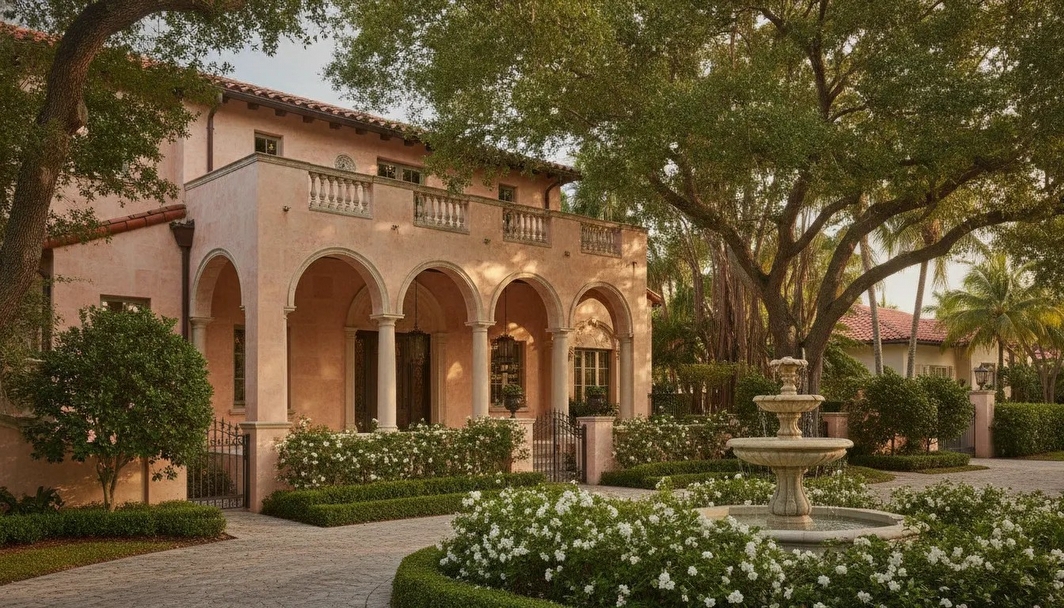
Coral Gables real estate is a distinctive Miami residential market shaped by Mediterranean Revival architecture, mature landscaping, independent city services, and a mix of historic homes, gated waterfront estates, townhomes, and condos. For buyers, the appeal is not only the address. It is the opportunity to choose a particular way of living within a carefully planned city.
Schedule a consultation with The Maya Vander Group to define your Coral Gables search.
Short answer: Coral Gables is a strong fit for buyers who value architectural character, established streetscapes, access to parks and cultural destinations, and a broad range of residential options. The right purchase depends on the specific section of the city, property type, lot or building condition, insurance, renovation scope, and the buyer's intended lifestyle.
Why is Coral Gables real estate different?
Coral Gables real estate stands apart because the city was intentionally planned rather than assembled one subdivision at a time. Its identity is visible in tree-lined streets, coral rock details, plazas, gateways, and buildings influenced by Mediterranean Revival design. That sense of continuity gives buyers a residential setting that feels established, recognizable, and connected to local history.
George Merrick's family history in the area preceded the city itself. According to the City of Coral Gables history, Merrick's family developed a coral rock home and cultivated land west of Coconut Grove before Merrick mapped the planned city in the early 1920s. The first lots were sold in 1921, and Coral Gables was incorporated in 1925.
That history remains part of the buyer experience. The city identifies historic landmarks that include City Hall, the Merrick House, the Biltmore Hotel, and the Venetian Pool. The official landmarks guide is a useful starting point for understanding why architectural context matters when evaluating an older home or planning a renovation.
For a luxury buyer, character is also a practical consideration. A historic home may offer mature landscaping, generous rooms, and a strong sense of place, while asking the buyer to investigate preservation requirements, additions, roof age, electrical systems, plumbing, flood exposure, and insurance. The more distinctive the property, the more important it is to pair visual appeal with disciplined due diligence.
Which parts of Coral Gables should buyers compare?
Buyers should compare Coral Gables by residential context, not simply by a list of street names. Central areas near Miracle Mile and the Biltmore offer walkability and cultural access, while South Gables and gated waterfront enclaves emphasize land, privacy, and outdoor living. North and east sections can offer a different balance of commute, lot size, and property style.
| Residential context | Often suits buyers who value | Questions to investigate |
|---|---|---|
| Central Coral Gables | Established streets, local destinations, and architectural character | Historic status, renovation limits, traffic, and parking |
| South Gables | Larger lots, privacy, and a quieter residential rhythm | Lot condition, flood exposure, drainage, and commute patterns |
| Gated waterfront enclaves | Security, privacy, boating access, and estate-scale outdoor space | Dock and seawall condition, water access, fees, and flood insurance |
| Condos and townhomes | Lock-and-leave living, amenities, and lower exterior maintenance | Association finances, reserves, assessments, rules, and insurance |
The best comparison is personal. A family may prioritize school logistics, yard space, and a short route to daily activities. A frequent traveler may prefer a managed residence or townhome. A buyer who entertains may value a historic floor plan and central access, while a boating household may place water depth and dock design above every other feature.
The Maya Vander Group communities resource can help you begin comparing Miami neighborhoods, but an online overview cannot replace a street-level tour. Visit at different times of day, assess the drive to work and school, and pay attention to how the property connects to the surrounding block.
What types of homes are available in Coral Gables?
Coral Gables offers more than one definition of luxury. The market includes historic and renovated single-family homes, custom new construction, gated waterfront estates, townhomes, and condos. Each category carries a different ownership experience, maintenance profile, renovation path, and resale audience, so property type should be selected alongside location rather than treated as a separate decision.
Historic and architecturally distinctive homes
Older Coral Gables homes can provide architectural details that are difficult to reproduce today, including coral rock, courtyards, arcades, arched openings, and mature gardens. Their value is often tied to proportion, setting, and craftsmanship as much as to square footage. Buyers should bring an inspector and, where appropriate, an architect or preservation specialist early in the process.
- Confirm the age and condition of the roof, windows, plumbing, electrical system, and air-conditioning equipment.
- Review permits for additions, pool work, seawall work, generators, and major renovations.
- Ask how historic or design requirements could affect future exterior changes.
- Model ongoing maintenance for landscaping, masonry, tile roofs, and older mechanical systems.
Custom construction and renovated residences
Newer homes and carefully renovated residences appeal to buyers who want contemporary systems, open entertaining spaces, or a more predictable maintenance plan without giving up the neighborhood's mature setting. A polished finish is not enough. Review construction quality, site drainage, window and door protections, energy performance, permits, warranty coverage, and whether the layout fits the way you actually live.
Gated waterfront estates
Waterfront property in Coral Gables should be evaluated as a land, infrastructure, and access purchase as much as a home purchase. Seawalls, docks, canal conditions, storm exposure, elevation, flood insurance, and vessel access can materially change the ownership experience. A buyer who values boating should verify the route from the dock to open water rather than relying on a listing description.
Condos and townhomes
Condos and townhomes can provide a more manageable entry into Coral Gables luxury living, especially for buyers who want a lock-and-leave residence or proximity to established destinations. The tradeoff is shared governance. Association documents, financial statements, budgets, insurance, reserves, pending assessments, rental rules, pet policies, and approval procedures deserve the same attention as the unit's finishes.
The Gables Club Tower I property page illustrates the kind of building-specific information buyers can review, including unit layouts, amenities, building age, and location context. Availability changes, so treat a property page as a starting point for a current conversation, not a promise that a particular residence remains available.
Connect with The Maya Vander Group for a property search built around your preferred Coral Gables lifestyle.
How should buyers evaluate a Coral Gables property?
A sound Coral Gables purchase begins with a written brief and a property-level review. Define the intended use, desired section, outdoor needs, renovation tolerance, timing, and ownership horizon before touring widely. Then evaluate each candidate through the same framework so an attractive kitchen or dramatic water view does not distract from structural, legal, insurance, or operational risks.
- Clarify the use case. Decide whether the home is for a primary residence, a second home, a family move, an investment, or a future transition. The right property can look different for each purpose.
- Compare the micro-location. Study the block, nearby roads, shade, sidewalks, drainage, school logistics, retail access, and the route to work or the airport.
- Review the physical asset. Inspect the roof, structure, windows, doors, air-conditioning, plumbing, electrical systems, pool, landscaping, seawall, dock, and drainage as applicable.
- Confirm the legal and permitting record. Verify permitted improvements, open permits, code matters, easements, setbacks, historic considerations, and any restrictions that affect the intended use.
- Build a complete ownership budget. Include insurance, taxes, utilities, maintenance, landscaping, security, pool care, association costs, reserves, and realistic renovation contingencies.
- Plan the offer around evidence. Use comparable sales, condition, days on market, competing inventory, seller motivation, and the property's specific strengths and limitations.
Buyers should also distinguish an attractive feature from a verified benefit. A quiet street should be visited at peak traffic times. A water view should be checked in different weather. A newly renovated home should have permits and invoices reviewed. A condo's low current fee should be considered alongside the association's reserves, insurance, and planned work.
What should relocating families know about the lifestyle?
Coral Gables is often attractive to relocating families because it combines established residential streets with parks, cultural destinations, restaurants, shops, and access to major Miami employment and education centers. The daily experience varies by section, so buyers should test the actual routine, including school drop-off, commuting, errands, recreation, and evening activities before choosing a home.
The city manages a broad recreation network. Its Community Recreation Department lists facilities and programs that include parks and playgrounds, the Venetian Pool, golf, tennis, youth activities, and other recreation opportunities. That variety supports an active lifestyle, but buyers should verify current hours, registration requirements, program availability, and travel time from the property.
Coral Gables also offers a recognizable cultural layer. Miracle Mile and the surrounding central district provide dining, retail, and entertainment, while landmarks such as the Biltmore Hotel and Venetian Pool connect the city to its early planning history. These destinations can influence how a buyer experiences the neighborhood, from weekend walks to hosting guests, even when the property itself is on a quiet residential street.
School decisions require particular care. School assignments, programs, admissions, and transportation can change, and private-school fit is personal. Families should confirm current information directly with the relevant school or district and evaluate the full route from the home. A real estate search can support that research, but it should not substitute for an official enrollment or admissions determination.
What should sellers know before listing in Coral Gables?
Coral Gables sellers benefit from a market position that explains the property's specific value instead of relying on a broad neighborhood label. A historic home, a renovated central residence, a gated waterfront estate, and a managed condo each appeal to a different buyer. The strongest launch plan matches pricing, preparation, photography, private outreach, and public marketing to that exact audience.
Before listing, sellers should assemble a clear property file. Useful materials can include surveys, permits, renovation invoices, warranties, insurance history, flood information, association documents, pool and seawall records, landscape contracts, and a list of improvements. Organized documentation helps serious buyers move through diligence with greater confidence and can reduce avoidable delays.
- Identify the home's true competitive set, including similar condition and location, not only similar bedroom counts.
- Address visible maintenance items that distract from the property's architecture or outdoor setting.
- Confirm that major improvements were completed with appropriate permits and approvals.
- Build a launch narrative around the home's strongest combination of setting, design, privacy, and daily convenience.
- Plan for privacy when the property, seller, or buyer profile calls for discreet representation.
Pricing is a strategic decision, not a reward for the amount invested in a renovation. Buyers compare the complete ownership proposition, including condition, insurance, taxes, maintenance, and the opportunity cost of future work. A local adviser can help separate emotional attachment from the evidence buyers will use to make an offer.
How can The Maya Vander Group help with a Coral Gables search?
The Maya Vander Group approaches Coral Gables real estate as an advisory process. The goal is to connect the buyer or seller with the right property strategy, not simply to provide a list of addresses. That requires listening carefully, comparing micro-markets, understanding property systems, coordinating due diligence, and negotiating with the property's full context in view.
For buyers, support can include refining the search, identifying residences that fit the brief, comparing homes with condos or townhomes, organizing tours, evaluating documents, coordinating inspections, and negotiating terms. For sellers, the work includes positioning the home, selecting preparation priorities, developing a launch plan, presenting the property to qualified audiences, and managing the negotiation through closing.
The group also serves clients who are moving to Miami and need to understand how Coral Gables compares with nearby communities. A neighborhood can look compelling online but feel different in person. The right advice accounts for commute patterns, family routines, building or lot requirements, privacy expectations, and the level of maintenance a client wants to own.
Explore current opportunities through the Maya Vander Group property search, then use a consultation to narrow the search around your priorities. For background on the team and its approach, visit the About The Maya Vander Group page.
Schedule a consultation with The Maya Vander Group before your next Coral Gables tour.
Frequently Asked Questions
Is Coral Gables a good place to buy a luxury home?
Coral Gables can be a strong fit for buyers seeking architectural character, mature streets, privacy, parks, and several residential property types in one municipality. The best fit depends on budget, intended use, maintenance tolerance, school and commute needs, and whether the buyer prefers a historic home, new construction, condo, townhome, or waterfront estate.
What types of property are common in Coral Gables?
Buyers will find historic and renovated single-family homes, custom construction, gated waterfront estates, townhomes, and condos. The condition, setting, association structure, and water access can differ significantly, so buyers should compare the complete ownership experience rather than relying on property type alone.
What due diligence matters most for a Coral Gables home?
Important reviews include inspections, permits, title, survey, flood and insurance exposure, roof and system condition, drainage, pool and seawall records, and any historic or design requirements. Condo buyers should add association finances, reserves, insurance, assessments, rules, and approval procedures to the review.
Is Coral Gables suitable for relocating families?
Many relocating families consider Coral Gables for its established neighborhoods, recreation, cultural destinations, and access to Miami employment and education centers. Families should verify current school information directly with official sources and test the actual daily routes from each property before making a decision.
How can I start looking at Coral Gables homes?
Start by defining the preferred lifestyle, property type, section of the city, timing, and ownership priorities. Review current listings, tour representative streets and buildings, and speak with The Maya Vander Group about comparable properties, due diligence, and a search strategy tailored to your goals.
Connect with The Maya Vander Group to begin a considered Coral Gables real estate search.
A more informed way to buy or sell in Coral Gables
Coral Gables rewards buyers and sellers who look beyond surface appeal. Architecture, land, water, building operations, insurance, permits, and daily routine all shape the value of a residence. With a clear brief and neighborhood-specific guidance, you can make the search more efficient and approach a purchase or sale with greater confidence.
Schedule a consultation with The Maya Vander Group for a private conversation about Coral Gables real estate in Miami.
Ready to Explore Luxury Real Estate in Miami?
Don't miss opportunities in one of Florida's most desirable markets. Contact Maya Vander today for exclusive access and personalized service.


