

What a Miami Condo Special Assessment Buyer Should Know
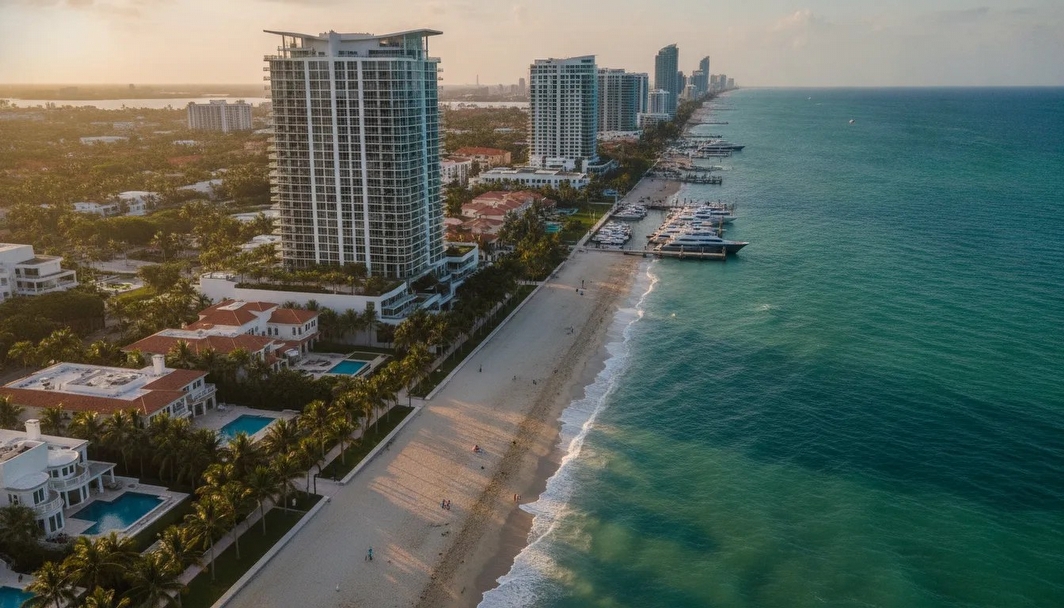
A polished lobby, bay views, and a well-appointed residence can make a Miami condo feel like an easy yes. The building's financial health is often less visible, yet it can materially change the cost and security of your purchase. A headline figure on the listing rarely tells you what a deferred roof, a concrete restoration project, or an underfunded reserve account might soon require of you.
Schedule a consultation with The Maya Vander Group before you make an offer on a Miami condo.
For a miami condo special assessment buyer, protection starts with reviewing the association's budgets, meeting minutes, reserve studies, and recertification history before signing. Special assessments are additional charges for major repairs, maintenance, or improvements that exceed the regular operating budget, and Florida Statute 718.116 addresses assessment obligations. A careful review can reveal whether a seemingly attractive price conceals a substantial future expense. And it tells you which negotiations, contract provisions, and contingencies can protect you if an assessment is already in motion.
Florida's evolving reserve requirements make this review especially important in older communities. Our guide to Florida condo reserve requirements provides useful context, while the next step is understanding why associations impose these charges and what they can signal about a building's condition.
What Is a Special Assessment and Why Do They Happen?
A special assessment is an additional fee a condominium association charges unit owners when major repairs, maintenance, or improvements exceed the building's approved operating budget. It is separate from regular monthly assessments and is generally tied to a defined capital project or an unexpected financial need. In Miami, that can mean funding concrete restoration, structural work, waterproofing, elevator repairs, or other building-wide obligations that cannot reasonably be covered through ordinary dues.
Florida condominium associations have authority to impose assessments for capital improvements and major repairs that are not covered by the regular budget. Florida Statute 718.116 governs the payment of condominium assessments and provides the legal framework buyers and owners should understand before a transaction. Read Florida Statute 718.116 for the governing language.
The trigger may be an immediate repair, an insurance-related expense, or a reserve shortfall that becomes visible only after an inspection or engineering study. In other cases, the association is responding to years of deferred maintenance. A building can appear polished in the common areas while its financial records reveal that essential work has been postponed or underfunded.
How much can a special assessment cost?
There is no standard assessment amount. Depending on the project's scope and the condominium's condition, reported Miami special assessments can range from approximately $5,000 to more than $100,000 per unit. The final obligation may depend on the building's size, the work required. The unit's allocation of common expenses, and whether the association offers a payment plan or financing arrangement. A buyer evaluating a Miami condo special assessment should therefore look beyond the headline amount and ask what the assessment is intended to accomplish. How the figure was calculated, and whether additional work remains unfunded.
Post-Surfside regulation has made this analysis more consequential. Structural Integrity Reserve Studies, commonly called SIRS, and stricter reserve expectations are pushing associations to identify and fund major components more proactively. For buildings that have not adequately prepared, those requirements can increase the probability of a special assessment as boards address accumulated needs. The same reserve pressure can affect marketability and value, with the customer research noting potential value impacts of 30 to 40 percent in buildings that fail to prepare. That figure should be treated as a risk indicator, not a prediction for every property.
For a deeper explanation of how reserve studies and funding requirements affect buyers, review our guide to Florida condo reserve requirements. In a purchase decision, the assessment itself is only one data point. The more important question is whether the association has a credible plan for maintaining the property without repeatedly shifting major costs onto owners.
How to Find Out If a Building Has Pending Special Assessments
A polished lobby, resort-style pool, and private waterfront views can make a Miami condominium feel like an obvious choice. They do not, however, reveal whether the association can comfortably fund the building's next major repair. A disciplined review of the building's financial and maintenance records should carry as much weight as its amenities.
- Request the association's core records. Ask for recent board and membership meeting minutes, the current budget, financial statements, reserve information, and notices sent to owners. These records can reveal discussions about concrete restoration, elevators, waterproofing, roofs, parking structures, balconies, or other projects that may not yet have become formal assessments. Buyers should review the association's recent meeting minutes, budget, and financial records specifically to identify large-scale maintenance needs. This due-diligence approach is also recommended in Miami condominium guidance.
- Read the minutes for warning language, not just the assessment label. A pending assessment may appear as a formal vote, but the risk can surface earlier as a proposed engineering project. A discussion of bids, a request for owner approval, or a shortfall in reserves. Look for repeated references to deferred maintenance, cost overruns, financing, emergency repairs, or disagreements about how a project should be funded. Ask the association or management company to clarify any unresolved item in writing.
- Compare the budget with the building's condition. Review reserve contributions alongside the age, size, and visible condition of major components. A budget that looks manageable in isolation may be less reassuring when the building needs several expensive projects at once. Special assessments can vary substantially, from approximately $5,000 to more than $100,000, depending on project scope and building condition. Treat any estimate as building-specific rather than as a standard Miami cost.
- Review reserve studies and recertification history. Request available structural integrity reserve studies, engineering reports, milestone inspection materials, and recertification records. Check whether recommendations were completed, funded, deferred, or challenged. As of 2026, Florida's post-Surfside requirements make structural integrity reserve planning more rigorous for older buildings. That makes the quality and timing of a building's studies especially important during a purchase review.
- Ask targeted questions before your inspection period ends. Confirm whether any assessment has been proposed, approved, deferred, collected, or litigated, and whether the association anticipates another vote. A Miami condo special assessment buyer should also have the contract address who pays if an assessment is approved or becomes due between contract and closing. Have the title, legal, and real estate professionals review the answers and supporting documents rather than relying on a verbal assurance.
The goal is not to eliminate every older building from consideration. It is to distinguish a well-managed capital plan from a building that has postponed difficult decisions. That distinction protects both the purchase price and the ownership experience.
Negotiating Price When a Special Assessment Is Disclosed
A disclosed special assessment should not automatically end a Miami condo purchase. It should change the conversation. Once the amount, purpose, approval status, and payment schedule are understood, the assessment becomes a defined financial obligation that can be addressed in the offer and purchase contract.
It is common for a buyer to ask the seller to cover an existing or pending assessment. Particularly when the assessment relates to conditions that arose during the seller's ownership. The solution may also take the form of a purchase-price reduction, a seller credit at closing, or an escrow arrangement tied to the association's payment schedule. The right structure depends on the amount involved, the seller's position, the lender's requirements, and whether the work has been approved or is still under discussion. Buyers can often negotiate responsibility for an assessment during closing.
Separate the assessment from the condition that caused it
The dollar figure is only the starting point. A buyer's adviser should help establish what the assessment funds, whether the project has been bid, how much has already been collected, and whether additional costs remain possible. An elevator project, concrete restoration, roof replacement, or structural repair can carry different timelines and degrees of uncertainty. The association's meeting minutes, financial records, budget, and assessment notice should be reviewed alongside the seller's disclosures.
The timing also matters. Responsibility usually depends on when the assessment was approved and when payment is due. But those details should be addressed expressly in the purchase contract rather than left to assumption. Florida Statute 718.116 governs condominium assessment payments, while the contract determines how the buyer and seller allocate an obligation between themselves. Have Florida real estate counsel review the language, especially when the assessment is pending, installment-based, or subject to a future vote: read the statute here.
Why disclosure and documentation matter
The risks of an informal understanding are illustrated by Friedlander v. Kaplan. In that case. Buyers purchased a Florida condominium in June 2024 and learned roughly five months after closing that they faced more than $91,000 for their share of a $7 million elevator assessment. The reported dispute centered on information about the planned assessment that appeared before closing, including a board-meeting agenda and minutes. The case is a cautionary example, not a substitute for legal advice. But it shows why a buyer should insist on written answers and preserve the records reviewed during due diligence. Review the reported disclosure case.
An experienced Miami condo strategist helps frame the issue without turning negotiation into a blunt demand. The goal is to price the building's known obligation accurately, protect the buyer from an avoidable surprise, and document the agreement so the closing reflects the actual risk.
Can You Get Out of a Contract If a Special Assessment Is Discovered?
Possibly, but discovering a special assessment does not automatically give a buyer the right to cancel. Your options depend on the language of the purchase contract, the inspection and condominium-document review periods, and when the assessment was approved, levied, and made due.
That timing matters. Under Florida Statute 718.116, a unit owner is responsible for assessments that become due while he or she owns the unit. A new owner can also be jointly and severally liable with the previous owner for unpaid assessments that came due before the transfer of title. In practical terms, a buyer should not assume that a closing automatically eliminates an outstanding assessment obligation.
Review the contract before making a decision
Start with the contingencies and disclosure provisions. A condominium document-review contingency may allow you to terminate within a defined period after receiving the association records. A financing contingency may also become relevant if a large assessment changes your ability to qualify or causes the lender to reconsider the building. Some contracts separately address assessments that are approved before closing but payable afterward. While others allocate responsibility based on the approval date, due date, or the parties' negotiated terms.
Ask your real estate attorney to review the exact language before you send a cancellation notice. The seller, listing agent, association, and title company should also be asked for the board resolution, assessment notice, payment schedule, meeting minutes, and any correspondence describing the project. That paper trail can clarify whether the issue is a proposed assessment, an approved assessment, or an amount already due.
Disclosure can affect your remedies
A seller's knowledge and disclosure history may matter if the assessment was looming before the contract or closing. In Friedlander v. Kaplan, reported facts described a buyer who learned about an elevator assessment roughly five months after closing and faced a bill exceeding $91,000. The dispute illustrates why meeting agendas, minutes, and written notices deserve close review, not just a search for the phrase "special assessment" in the resale package. See the reported disclosure lawsuit risk involving condo special assessments.
If cancellation is unavailable, the assessment may still be a negotiation point. The parties can agree in writing that the seller pays the assessment. That the purchase price is adjusted, or that funds are held at closing, subject to attorney and title-company guidance. Do not rely on a verbal promise. If an owner fails to pay an assessment, late fees, interest, and a potential association lien may follow. For a Miami condo special assessment buyer, the safest course is to pause, document the timeline, and obtain legal advice before waiving a contingency or proceeding to closing.
Which Miami Condo Buyers Face Special Assessment Risk in 2026
For a Miami condo special assessment buyer, the building's age is only the starting point. The more useful question is whether the association has kept pace with structural inspections, reserve planning, and major capital work. Florida's post-Surfside regulations are placing greater scrutiny on older properties, while 2026 requirements call for more rigorous structural integrity reserve studies for many of those buildings. That process can reveal funding gaps that were previously easy to postpone.
The comparison below is a practical risk screen, not a substitute for reviewing a specific association's records. A newer building can still be underfunded, and an older building can be responsibly managed. The decisive evidence is in the reserve study, inspection history, meeting minutes, budget, and pending project schedule.
| Building profile | Why assessment risk may be higher or lower | Buyer diligence focus |
|---|---|---|
| Older, pre-recertification building with low reserves | Deferred concrete, balcony, waterproofing, elevator, or life-safety work may surface during updated inspections. If reserves cannot cover the work, owners may face a substantial assessment. | Review the latest structural integrity reserve study, milestone inspection or recertification records, reserve balances, engineer recommendations, and board minutes discussing funding. |
| Older building with strong reserves and completed work | Age alone does not determine exposure. A well-funded association that has completed required projects may present a more manageable risk than a newer but underfunded property. | Confirm which projects are complete, whether additional phases remain, and whether the approved budget reflects current maintenance obligations. |
| Newer, well-funded building | Modern construction and healthy reserves can reduce near-term assessment pressure, although major systems, insurance costs, and unexpected repairs still require monitoring. | Check reserve funding against the capital plan, insurance renewals, warranties, recent minutes, and any proposed projects not yet formally assessed. |
Potential financial exposure is wide. Miami special assessments can range from approximately $5,000 to more than $100,000, depending on the building's condition and the project's scope. Research context for the post-Surfside market also indicates that buildings unable to demonstrate reserve compliance may experience value impacts in the 30% to 40% range. That is not a forecast for every property, but it explains why a low asking price may not represent a true bargain.
Owners facing qualifying costs may also wish to investigate Miami-Dade County's Condominium Special Assessment Program, which offers county loan assistance in eligible circumstances. Buyers should confirm current eligibility and terms directly with the county. Before making an offer, use the building's records to model both the immediate purchase cost and the possibility of future capital calls.
Schedule a consultation with The Maya Vander Group to review the records and reserve position of any Miami condo you are considering before you sign.
Frequently Asked Questions
How can I protect myself as a Miami condo buyer from a special assessment?
Request the association's recent meeting minutes, budget, financial records, reserve study, and recertification history. Review them for deferred maintenance, inadequate reserves, engineering concerns, and proposed projects before your inspection and contract deadlines expire.
Are buyers responsible for special assessments in Miami?
Responsibility depends on when the assessment was approved and when payment is due, as well as the language negotiated in the purchase contract. Under Florida Statute 718.116, an owner is liable for assessments that become due while they own the unit. While unpaid assessments due before transfer can also create liability for a new owner.
Can a seller pay a Miami condo's special assessment?
Often, yes. Buyers commonly negotiate for the seller to pay an existing or pending assessment. But the agreement should identify the specific assessment, payment deadline, proof of payment, and what happens if the amount changes before closing. Have the contract reviewed by your real estate attorney.
How much can a Miami condo special assessment cost?
There is no standard amount. The cost can range from approximately $5,000 to more than $100,000, depending on the building's condition, unit share, and project scope. Ask for the association's assessment notice and the underlying engineering or construction budget rather than relying on a general estimate.
Protect Yourself Before You Buy
A special assessment should not scare you away from the right Miami condo, but it demands a closer look. The difference between a building that manages its capital plan and one that defers costly decisions often comes down to records that are available before you sign. Review the minutes, confirm the reserves, understand the timeline, and secure the contract language before you commit.
With a team that knows Miami's condominium market and the post-Surfside regulatory landscape, you can weigh an assessment realistically instead of guessing. We match the building's financial picture to your priorities, so the price you pay reflects the actual risk.
Schedule a consultation with The Maya Vander Group to review the special assessment risk in any Miami condo you are considering.
Ready to Explore Luxury Real Estate in Miami?
Don't miss opportunities in one of Florida's most desirable markets. Contact Maya Vander today for exclusive access and personalized service.


